Newsletter Archive
Practical Issues for Lean Six Sigma and Quality Leaders
These newsletters are built as practical briefings for manufacturing, quality, and operational excellence teams. Each issue is designed to be readable on the site, useful in training, and easy to share with supervisors, engineers, and improvement leaders.
The SixSigmaKaizen Newsletter
What's actually worth your attention in manufacturing and quality this week, and why — from David Rodgers, straight to your feed.
Newsletter questions and subscription inquiries: newsletter@sixsigmakaizen.com | Follow updates on X.com: @kaizen_6sigma

September 30, 2026
Building Sovereignty from Ore to Rail: The Mine-to-Mill ModelWe examine how dedicated, domestic 'Mine-to-Mill' investments are not just an economic booster, but a critical operational insurance policy against geopolitical instability and supply shocks.

September 29, 2026
Why Digital Maps Don't Make Better SystemsSimply buying visibility technology does not solve operational problems. True improvement requires disciplined process ownership and pre-defined decision playbooks, turning data from an observation into action.
September 28, 2026
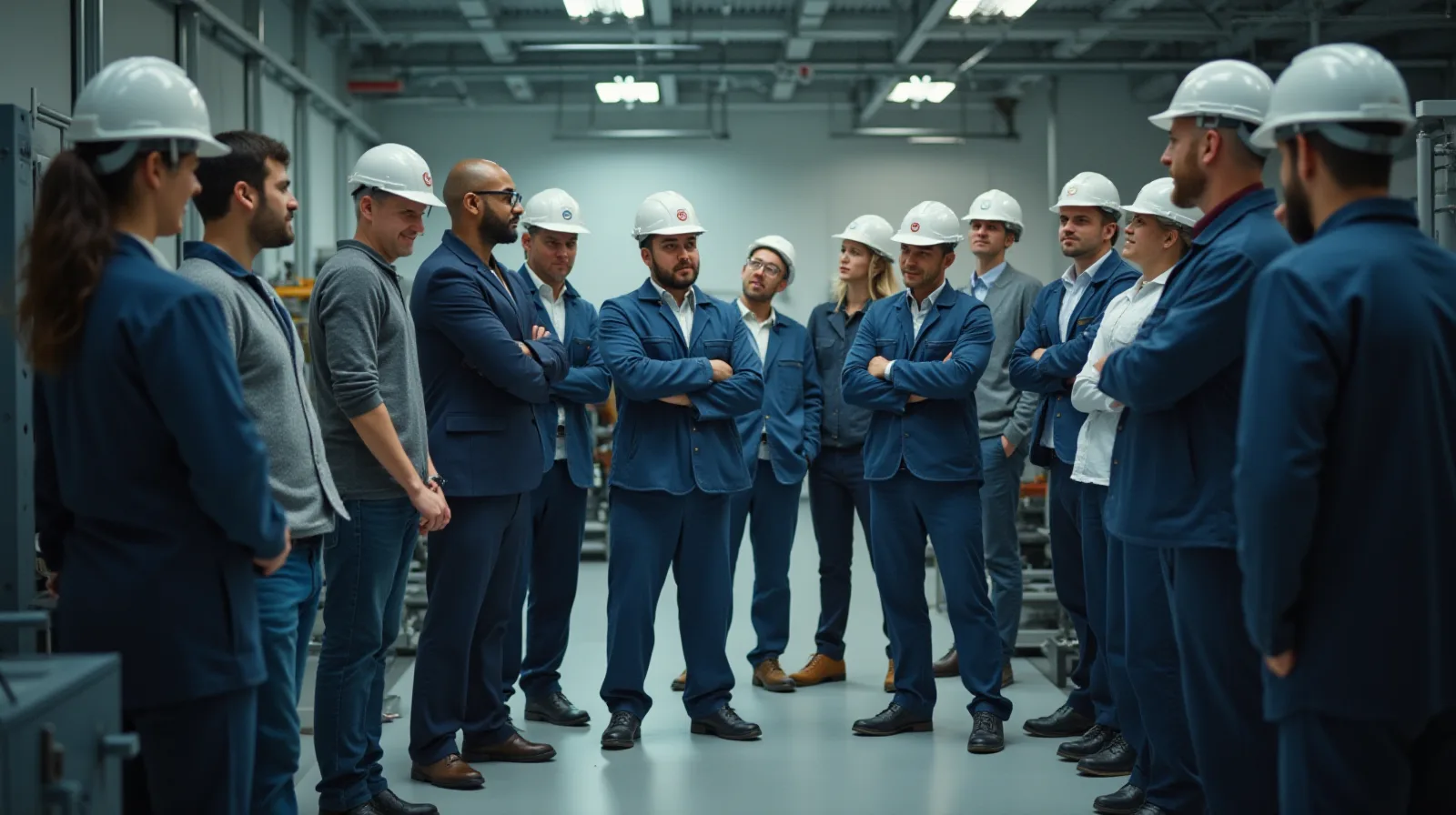
Closing the Loop: Building Production Systems That Think for ThemselvesIf you are still treating your MES system as a glorified dashboard, you have an operational risk. This issue details how to move from simply *seeing* what went wrong to building systems that automatically detect and correct the failure before it costs time or compliance.
September 28, 2026
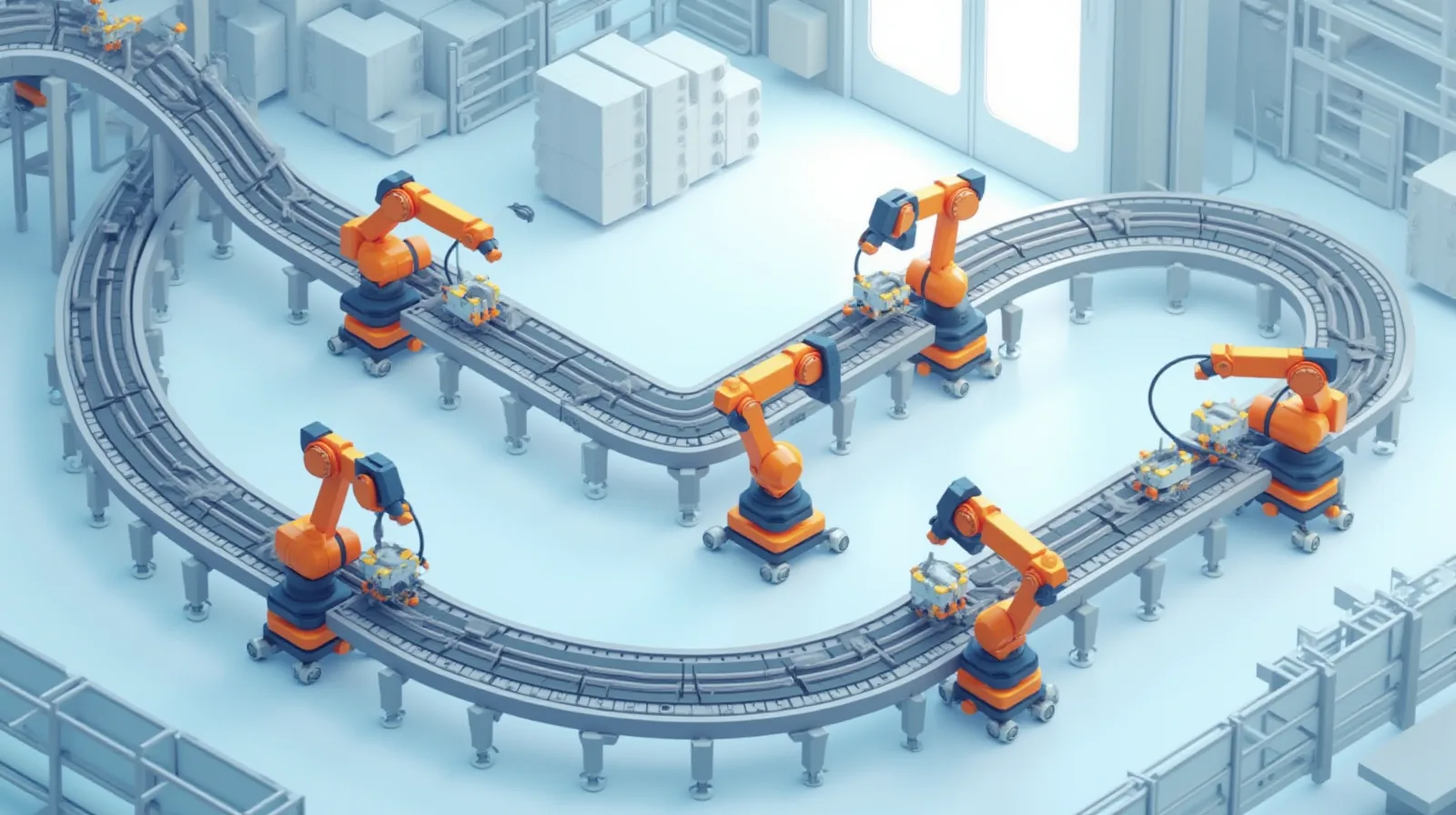
Building Capability into Every Station: Scaling Next-Gen Energy StorageAs the energy sector transitions to next-generation aqueous metal batteries, operational scaling presents a unique set of quality challenges. This issue analyzes the manufacturing rigor required—from standardized stations to deep QC checks—to ensure reliable high-volume production.

September 25, 2026
Digital Twins and AI: When the Simulation Breaks on the Shop FloorThis issue moves beyond buzzwords to diagnose the 'Integration Gap'—the critical failure point where advanced digital models fail because they cannot account for physical process realities, manual overrides, and human constraints. Actionable steps follow.

September 24, 2026
The Factory Floor Meets AI: Making Digital Twins Work in Real LifeThis issue examines how major manufacturers are using advanced AI and Digital Twins to manage the physical complexities of electrification, flexible production lines, and rapid quality iteration. It focuses on making these technologies work in reality, not just on a PowerPoint slide.

September 24, 2026
The Real Economics of Manufacturing Revival: Beyond the Initial AnnouncementWe dissect the hyped figures from major industrial investments to determine which parts of the supply chain will see real, sustainable improvement and where the true operational bottlenecks lie. It's time to look past the headlines and into the facility layout.
September 24, 2026
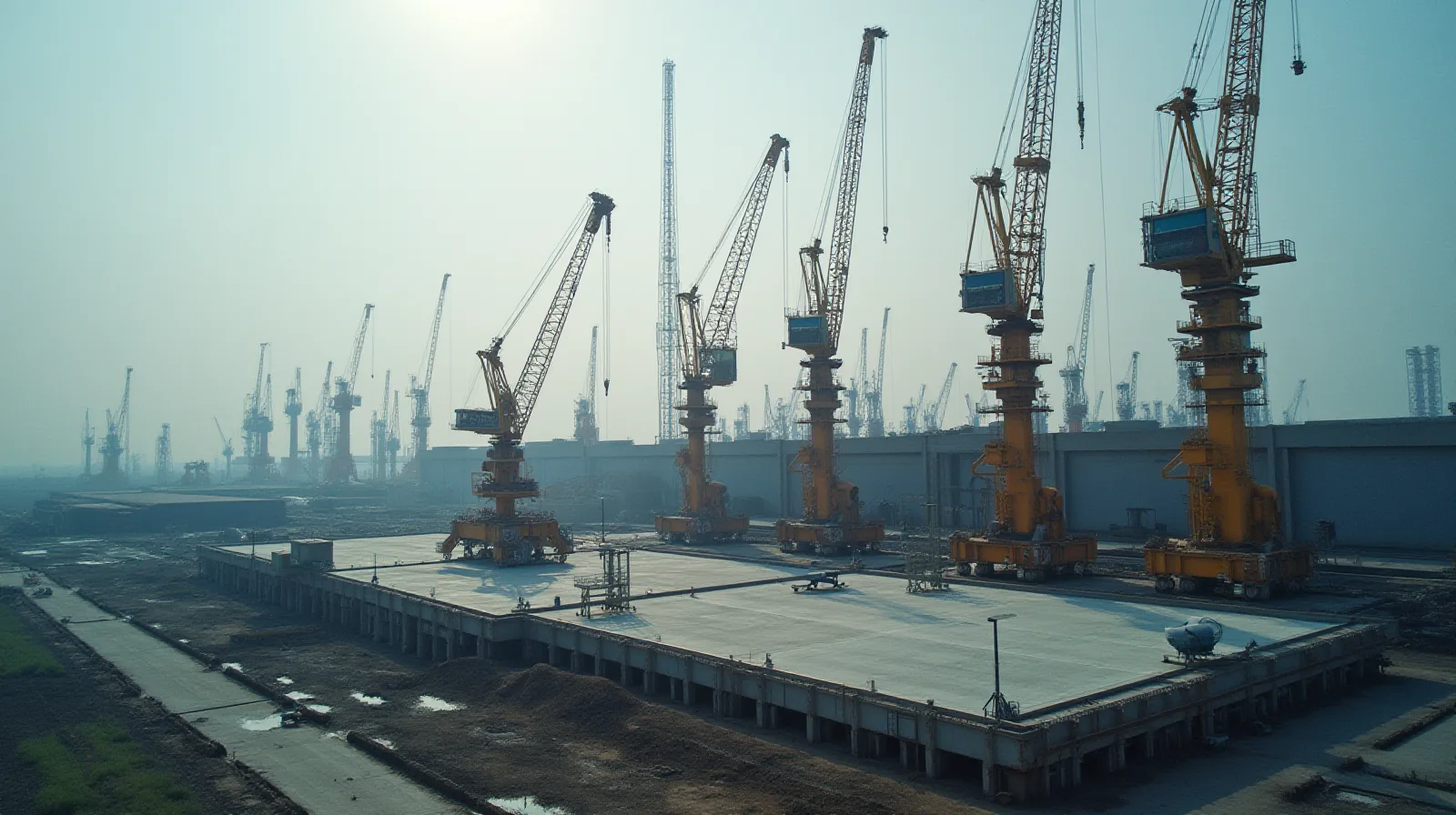
What $49 Billion Really Means for Your Shop FloorWe dive past the headline numbers to analyze what major capital investments—like the proposed Inola plant—actually require from local supply chains and operational partners. This is about turning economic theory into shop-floor reality.

September 24, 2026
When your WMS becomes a bottleneck for the entire operation.Modern logistics demands—omnichannel fulfillment, labor shortages, constant disruption—are forcing warehouse management systems (WMS) to evolve from simple transaction processors into dynamic orchestrators. This issue diagnoses what happens when architecture fails to keep pace with operational reality.

September 23, 2026
When AI Meets the Chip: Keeping Yield High on the Factory FloorAnalyzing how the shift toward sovereign, on-premises AI models is solving complex defect detection and yield problems in semiconductor fabrication. This isn't about adopting a tool; it's about building operational resilience into your core process.

September 23, 2026
The Cost of Shortcuts: Arctic Shipping and Operational Blind SpotsA deep dive into the trilateral Arctic pact, analyzing how ambitious economic goals can obscure profound operational and environmental risks in global shipping planning.

September 21, 2026
When the grid fails: Managing transitions, not just outages.A diagnosis of why having a generator isn't enough. We focus on the hard process work needed to survive grid transitions and keep material flowing when everything else stops.

September 19, 2026
When the Grid Goes Down: Planning for Operational HardshipThis issue diagnoses the critical operational risk posed by aging electrical grids and transformer shortages. It provides a practical, phased approach to hardening your plant's resilience beyond simple generators.

September 19, 2026
Beyond Graphite: Building Material Sovereignty for Critical Components.This issue diagnoses the operational risk posed by single-source critical materials and outlines a path to achieving material redundancy through local capacity building and process diversification.
September 19, 2026
The Energy Line: Why Your Plant Needs to Plan for Grid CollapseThis issue diagnoses the systemic risk posed by aging, vulnerable power infrastructure and outlines mandatory operational resilience steps to maintain uptime when the grid falters.
September 18, 2026
De-risking Power: Moving Beyond Graphite for Battery AnodesA deep dive into advanced, domestically sourced anode materials (like graphene monoxide) that can stabilize the lithium-ion battery value chain and reduce reliance on mined graphite.
September 17, 2026
The Supply Chain Habit That Keeps You From Being Resilient.Most organizations treat the supply chain as a linear process optimized only for cost. This issue diagnoses the taboo that blinds us to systemic risk, showing how true resilience requires building slack and redundancy back into the system.

September 17, 2026
When Chokepoints Close: Running Your Business in a World of Supply Shock.Escalating tensions in critical maritime chokepoints like the Strait of Hormuz force a fundamental re-evaluation of global supply chain assumptions. This is an operational diagnosis of what happens when key inputs vanish or become unpredictable.

September 15, 2026
Scaling Composites: From Prototype Desk to Production LineWe look at how the industry can move composite 3D printing from a niche research tool to reliable, cost-effective mass production required by modern aerospace and drone platforms.

September 14, 2026
The Operational Reality of Dual-Use Laser TechnologyAnalyzing how civilian laser technology designed for energy generation (like fusion) directly informs and dictates the engineering challenges of military directed-energy systems. Focus is on scalability, repeatability, and cost reduction in a shared operational context.

September 14, 2026
When Geopolitics Hits the Supply Chain: Redundancy vs. OptimizationGlobal hotspots like the Red Sea and Strait of Hormuz prove that 'just-in-time' is often just 'too late.' This issue diagnoses how geopolitical shocks force a shift from minimum cost to maximum resilience in logistics.

September 11, 2026
When JIT breaks: Building resilience into the supply chain.Pure Just-in-Time is a brittle model that failed when the world hit friction. This issue details how to audit your Bill of Materials (BOM) and implement strategic buffers where they actually matter most.

September 10, 2026
The Campus Effect: How Mega-Scale Planning Fixes Process DriftASML's new mega-campus is a case study in operational flow. We examine how integrating production, R&D, and logistics under one roof can eliminate the hidden costs of organizational separation.

September 9, 2026
The Cost of Thinking Efficiency is the Highest WasteThis piece diagnoses the dangerous assumption that maximum efficiency is always optimal, especially in critical sectors like pharma. We look at quantifying single points of failure and building operational redundancy into your core process.
September 9, 2026
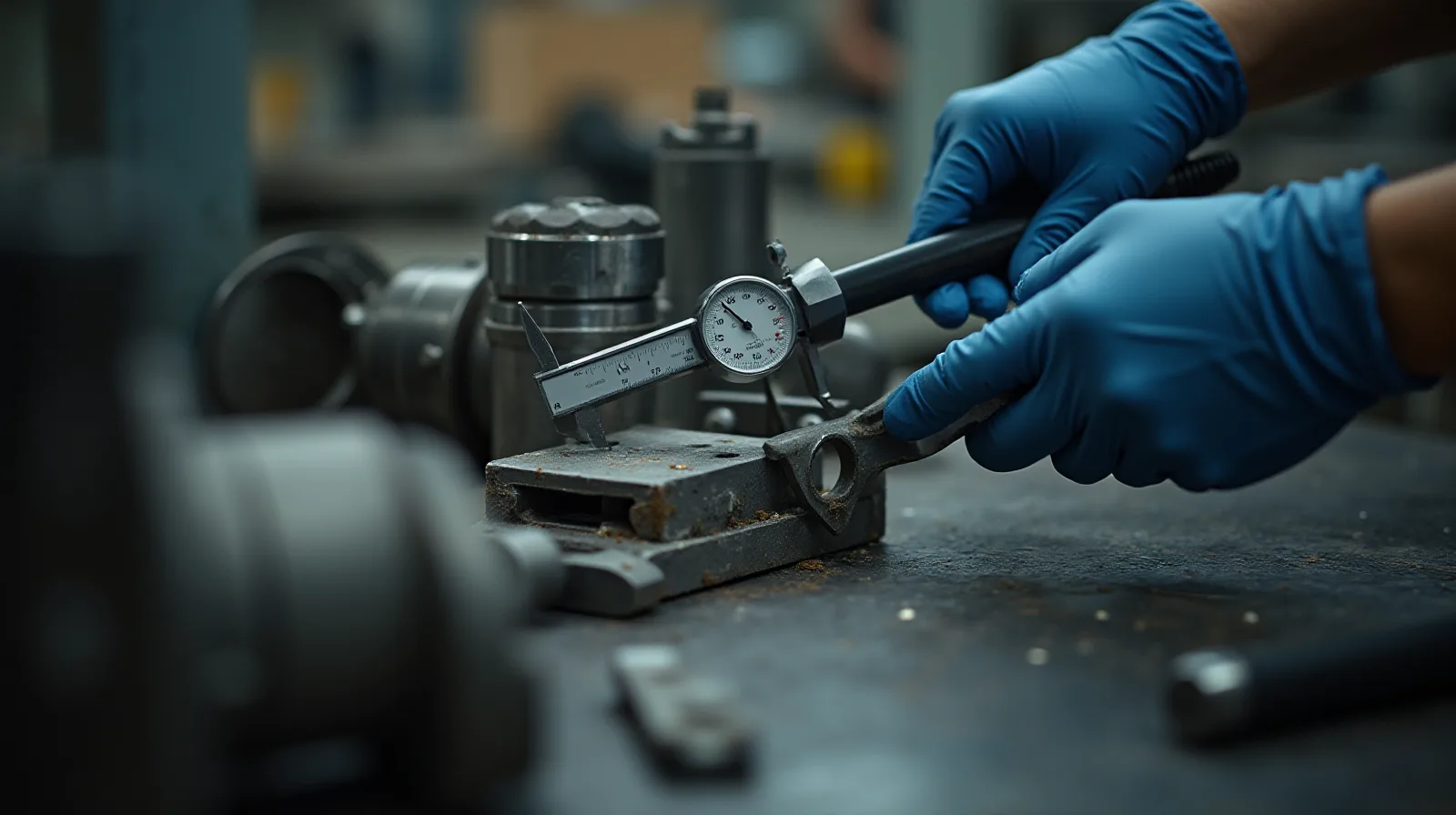
The Hidden Cost of Bad Measurements: Getting Gage R&R RightThis deep dive explains why a simple Gage R&R calculation is not enough. We cover how to interpret study variation versus tolerance and when ANOVA provides the only honest answer.

September 7, 2026
The Great Return: Why Pharma Manufacturing is Coming HomeMajor global pharma investments in the U.S.—especially biopharma capacity expansion—signal a profound shift toward domestic supply chain self-sufficiency. This is not just about money; it's about operational resilience.

September 7, 2026
Why Just-in-Time is Dead: Building Resilience into Your Operation.JIT worked beautifully when everything was predictable. Today's world demands a radical shift: understanding that strategic redundancy is not waste, but necessary insurance against disruption.

September 5, 2026
Building Future Factories: Standardizing Production for New Energy Chemistry.Analyzing how advanced manufacturing platforms are being designed today to handle radical changes in energy chemistry, ensuring continuous operation without massive facility shutdowns.
September 5, 2026
Why Just-in-Time Is Dead: Building a Resilient Operation Instead.We are confronting a fundamental failure of doctrine. The pursuit of pure Just-in-Time has left many manufacturers dangerously exposed to geopolitical and environmental shocks, requiring an immediate strategic pivot toward redundant capacity and diversified sourcing.

September 3, 2026
From Race Track to Reactor: Industrializing Advanced Energy SystemsMicroreactors need operational speed and standardization, not just pure theoretical expertise. This diagnosis explores how applying commercial automotive/motorsport supply chains can drastically lower development cost and accelerate deployment timelines.

September 2, 2026
When Great Plans Stay on the Shelf: Operationalizing Strategy.Most organizations are great at making plans and terrible at executing them. This issue explains how structured methods can turn ambitious goals into daily, verifiable work processes.

September 1, 2026
AI Agents: Shifting FP&A from Reporting History to Predicting FailureThis piece diagnoses the inherent limitations of traditional financial planning and shows how advanced AI agents can embed continuous, real-time operational data into finance to identify risks before they become costly failures.

September 1, 2026
AI and Quantum: Solving the Problem of Error in ComputationA deep dive into the engineering necessity of AI in quantum computing. We look at how ML is being used to solve qubit error correction and improve computational fidelity, bridging cutting-edge science with practical system design challenges.

September 1, 2026
AI on the Floor: Making Smart Tech Work with Real Machinery.We are moving past the point of simply 'trying' AI and need a repeatable, safe methodology to embed it into mission-critical physical processes. This is about architecture, not algorithms.
September 1, 2026
Are your audits just glorified checklists?This issue details how modern auditing must shift from merely confirming adherence to a standard, toward actively mapping processes and identifying systemic failure points. We'll talk about the difference between compliance theater and actual operational resilience.

September 1, 2026
Beyond Chatbots: How Protocols are Making AI Agents Work on the Shop FloorThis issue diagnoses the 'Integration Problem' in enterprise AI: how do you move beyond simple conversational chatbots to agents that reliably interact with diverse, legacy operational systems? We examine Model Context Protocols (MCP) as a necessary architectural standard.

September 1, 2026
Building a Shield: Why Single-Sensor Detection Fails Against Modern ThreatsA look at how critical infrastructure protection requires merging disparate sensor types (radar, EO/IR) to create a comprehensive 24/7 detection capability against complex aerial threats like drones.

September 1, 2026
Building an Operating System for Advanced Energy.Analyzing the foundational elements—workforce, supply chain, and institutional knowledge—required to build a self-sustaining industrial platform around advanced nuclear technologies.

September 1, 2026
Building Back: The Real Cost of Semiconductor MegaprojectsA deep dive into the massive capital expenditure and strategic implications of mega-projects like Terafab. We look past the headlines to diagnose what actually makes a complex industrial ecosystem work—and where it often fails.

September 1, 2026
Building Capacity When the World Needs It MostAnalyzing how accelerating production and securing component supply chains are the true metrics of readiness, rather than simply signing a contract.
September 1, 2026
Building the Physical AI Backbones of Tomorrow's Factory FloorJapan's massive, coordinated buildout of national AI infrastructure shows how governments and industry are betting big on foundational computing to secure future dominance in physical robotics.

September 1, 2026
Building World-Class Manufacturing: The Ohio ModelExamining the massive investment in Ohio's advanced air mobility hub reveals more than just money—it shows how committed partnerships create a resilient, next-generation industrial cluster.
September 1, 2026
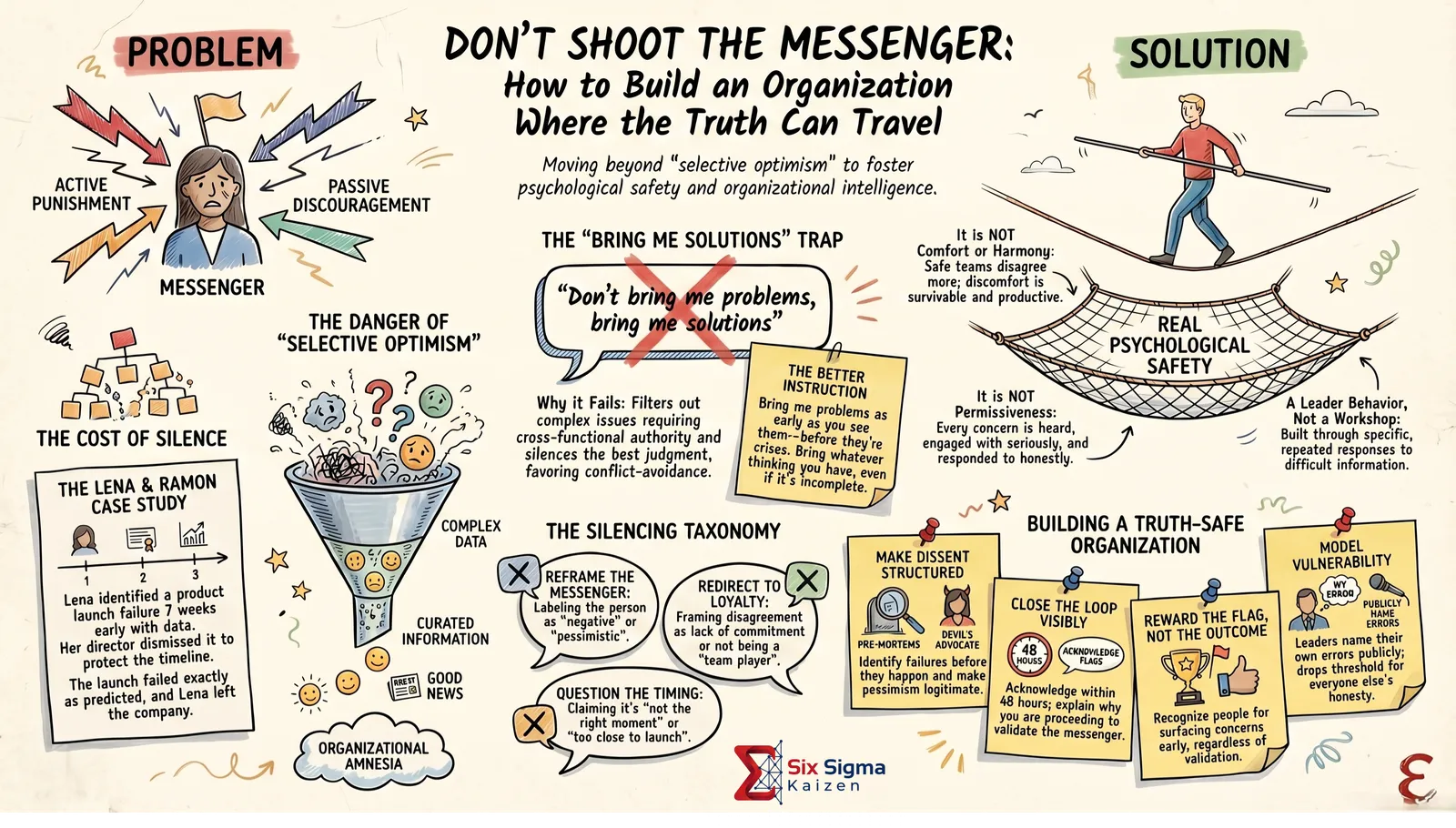
Don't Shoot the Messenger | Corporate Taboos Issue 10Part 10 of the Corporate Taboos newsletter series: how to build an organization where the truth can travel, with psychological safety, visible follow-through, and messenger-safe leadership behavior.
September 1, 2026
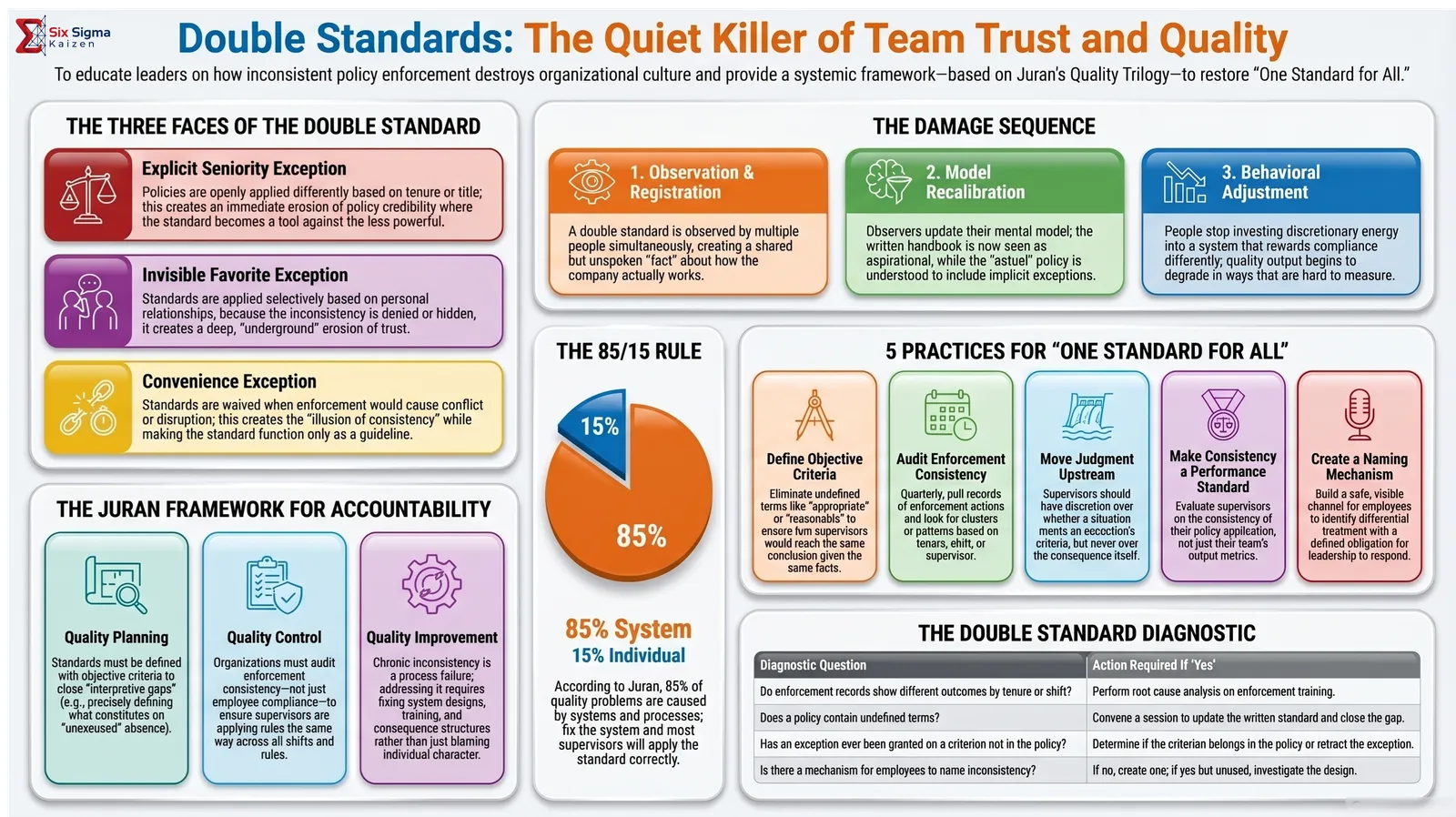
Double Standards | Corporate Taboos Series 2 Issue 4Series 2, Issue 4 of the Corporate Taboos newsletter: how double standards quietly destroy team trust and quality, why Juran's Quality Trilogy applies to accountability systems, and how to enforce one standard for all.
September 1, 2026
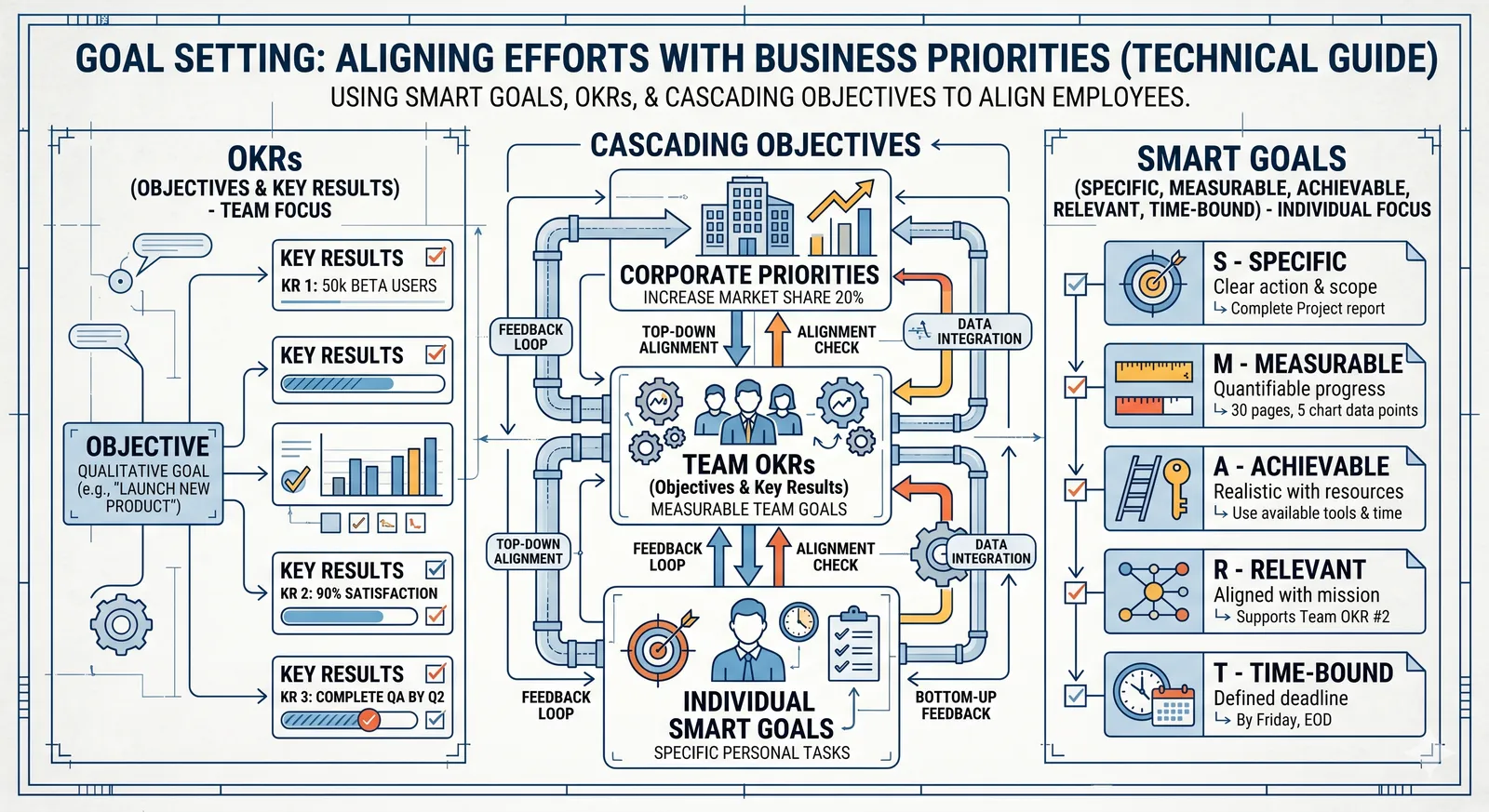
Goal Setting for Individuals and TeamsA practical newsletter on aligning individual and team effort with business priorities using SMART goals, OKRs, cascading objectives, measurable review cycles, and operational governance.

September 1, 2026
How a Nuclear Campus Changes the Shop Floor Game.A look at how selecting a Nuclear Lifecycle Innovation Campus (NLIC) can drive deep, cross-sector advanced manufacturing and workforce development in a region.

September 1, 2026
How Public Trust Becomes the Ultimate Operational Constraint.Major infrastructure mergers (like UP/NS) are not just about merging tracks and equipment. They require a fundamental shift in how companies interact with regulators, the public, and their customers to secure enduring approval.

September 1, 2026
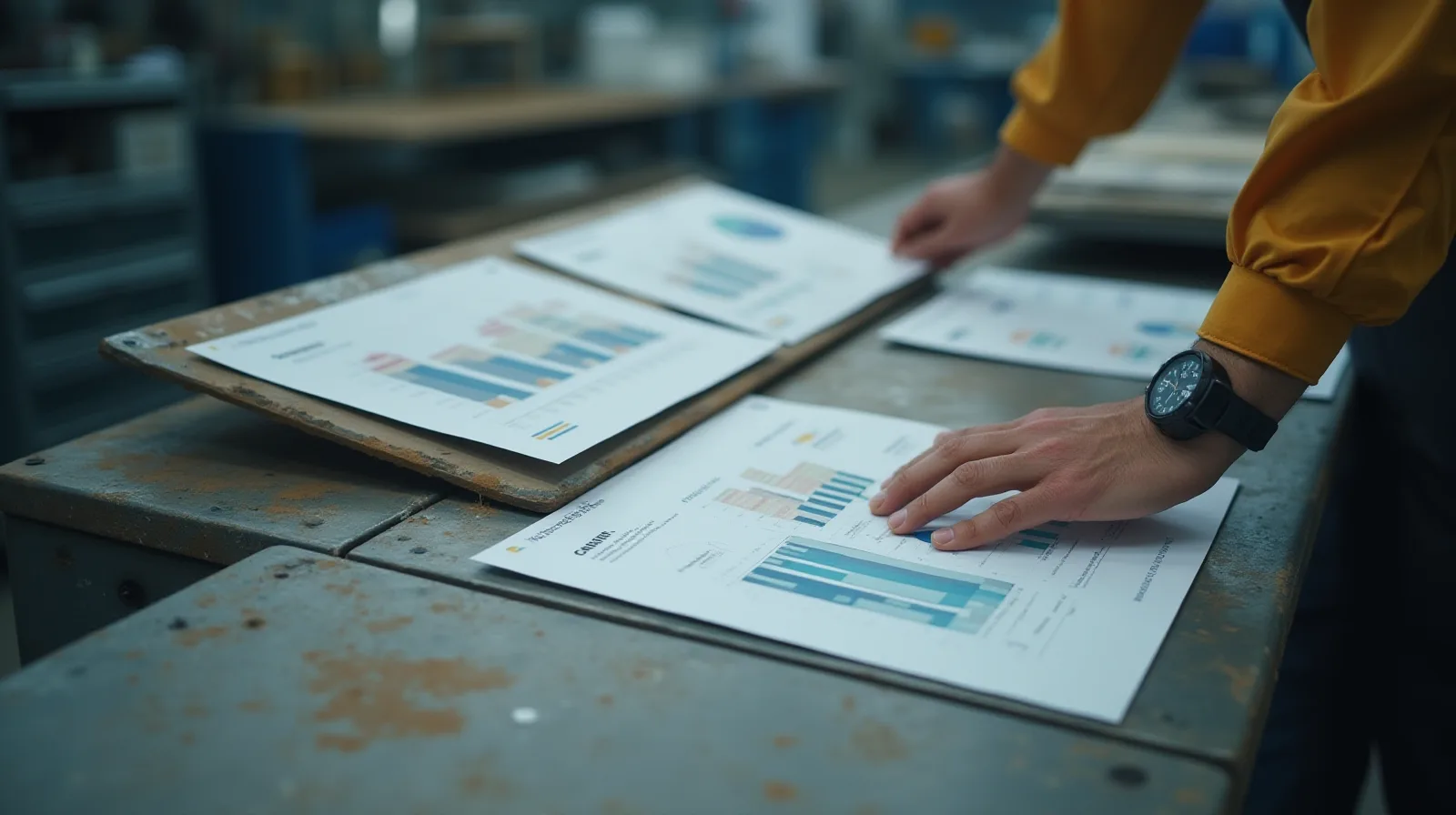
Hydrogen Power: From Lab Bench to Operating SystemThis issue diagnoses the systemic complexity required to bring hydrogen-powered aviation online, focusing on validation steps and regulatory hurdles rather than just the technology itself.
September 1, 2026
Integration isn't about moving data. It’s about shared operational context.Many companies treat supply chain modernization as an IT data transfer problem. This issue diagnoses the failure to govern workflows and decision rights, which is why connecting systems still leaves you running manual workarounds.

September 1, 2026
Making AI Engineers: Operationalizing Simulation for Chip DesignA deep dive into how modern AI toolkits are transforming siloed, complex chip design processes (like EDA and quantum chemistry) by unifying physical simulation with digital workflow.

September 1, 2026
Making Engine Blades: The Reality of Additive Parts in AerospaceA deep dive into how additive manufacturing is fundamentally changing production methods for critical aerospace engines, using the F135 engine as a case study.
September 1, 2026
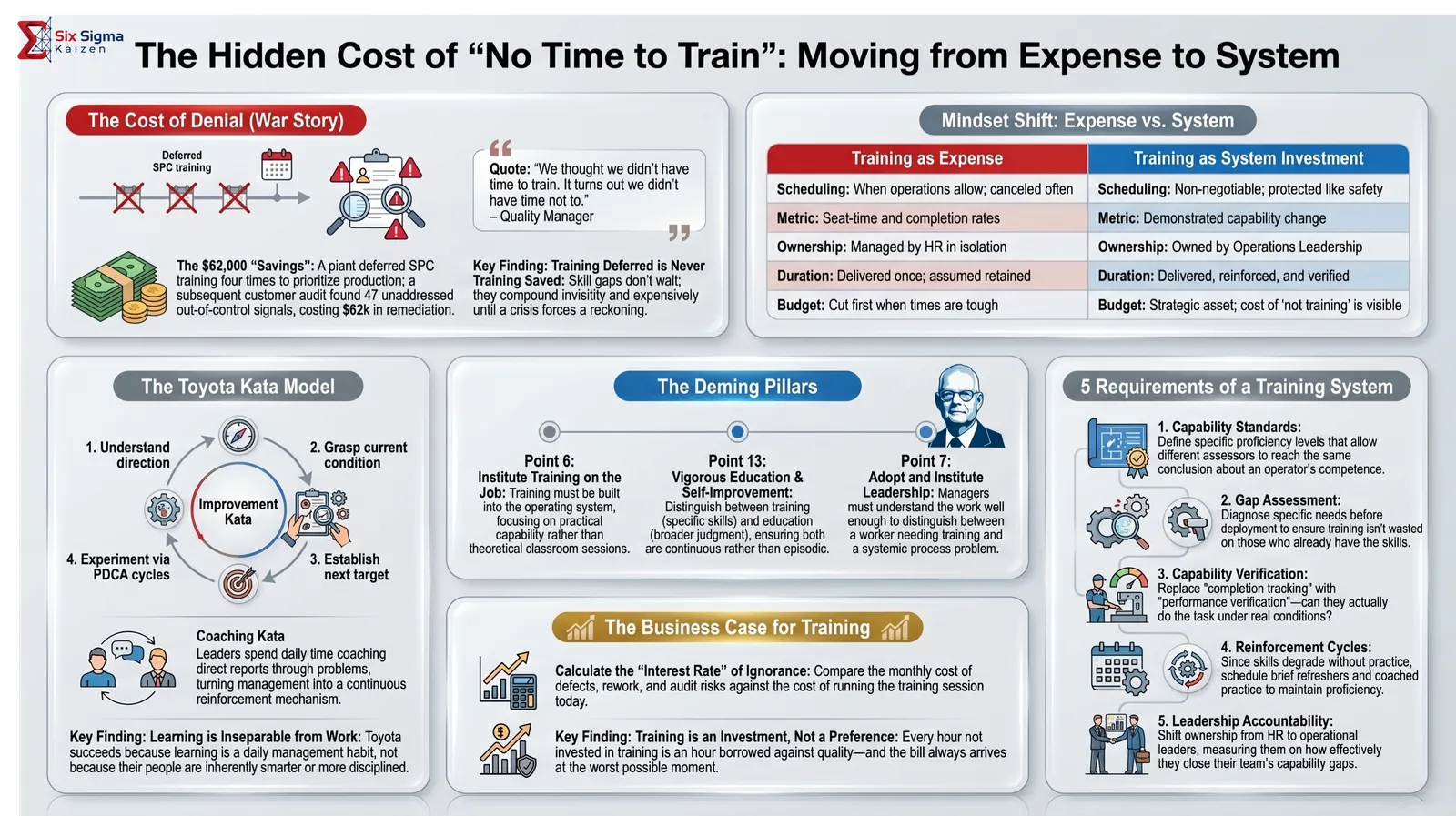
No Time to Train | Corporate Taboos Series 2 Issue 5Series 2, Issue 5 of the Corporate Taboos newsletter: why treating training as an expense creates invisible quality risk, how Deming and Toyota Kata reposition learning as part of the operating system, and what leaders must build to verify capability instead of tracking attendance.
September 1, 2026
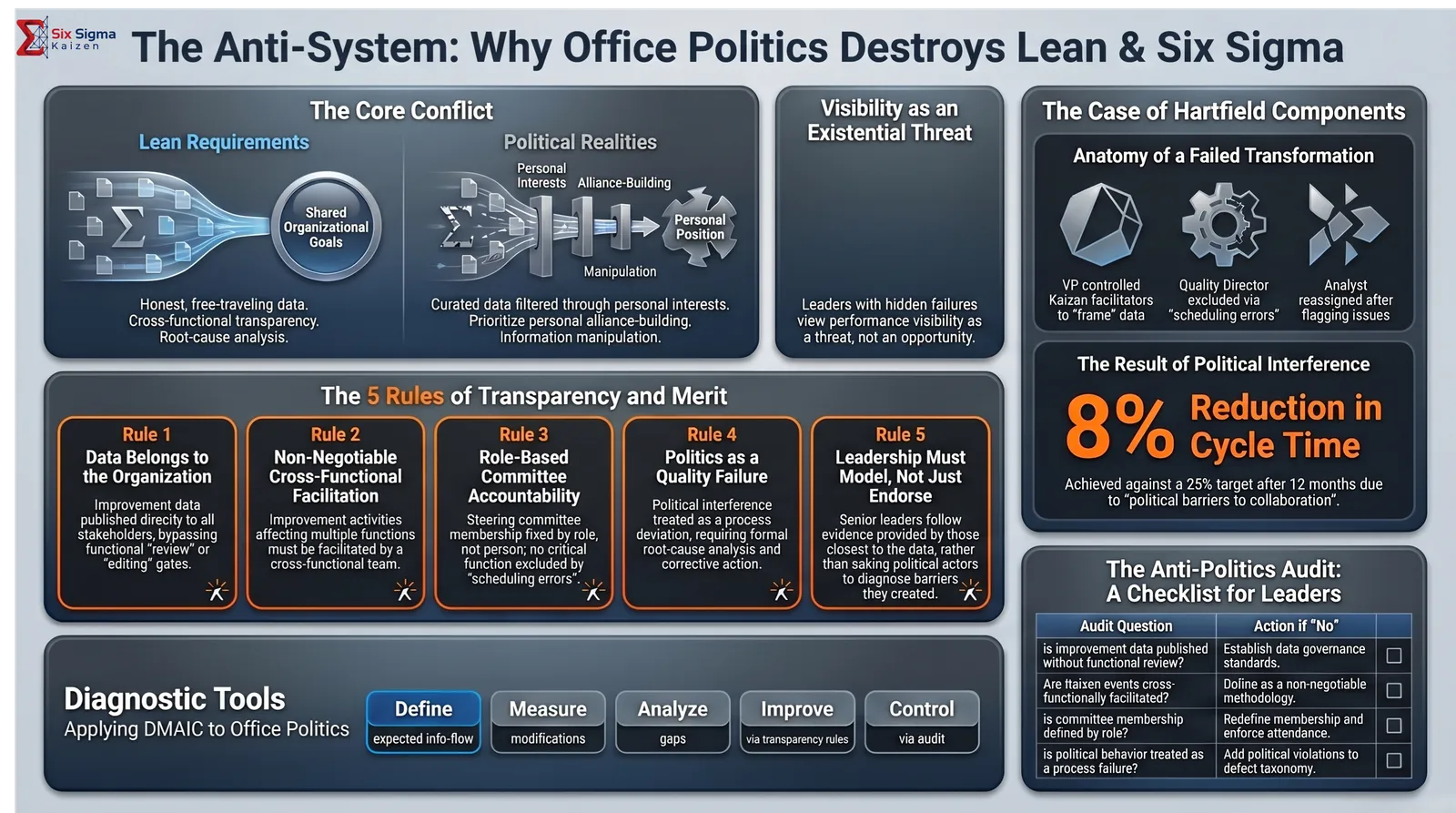
Office Politics as a Leadership Failure | Corporate Taboos Series 2 Issue 2Series 2, Issue 2 of the Corporate Taboos newsletter: why office politics destroys Lean and Six Sigma, how it corrupts transparency, and what leaders must do to restore merit and cross-functional trust.
September 1, 2026
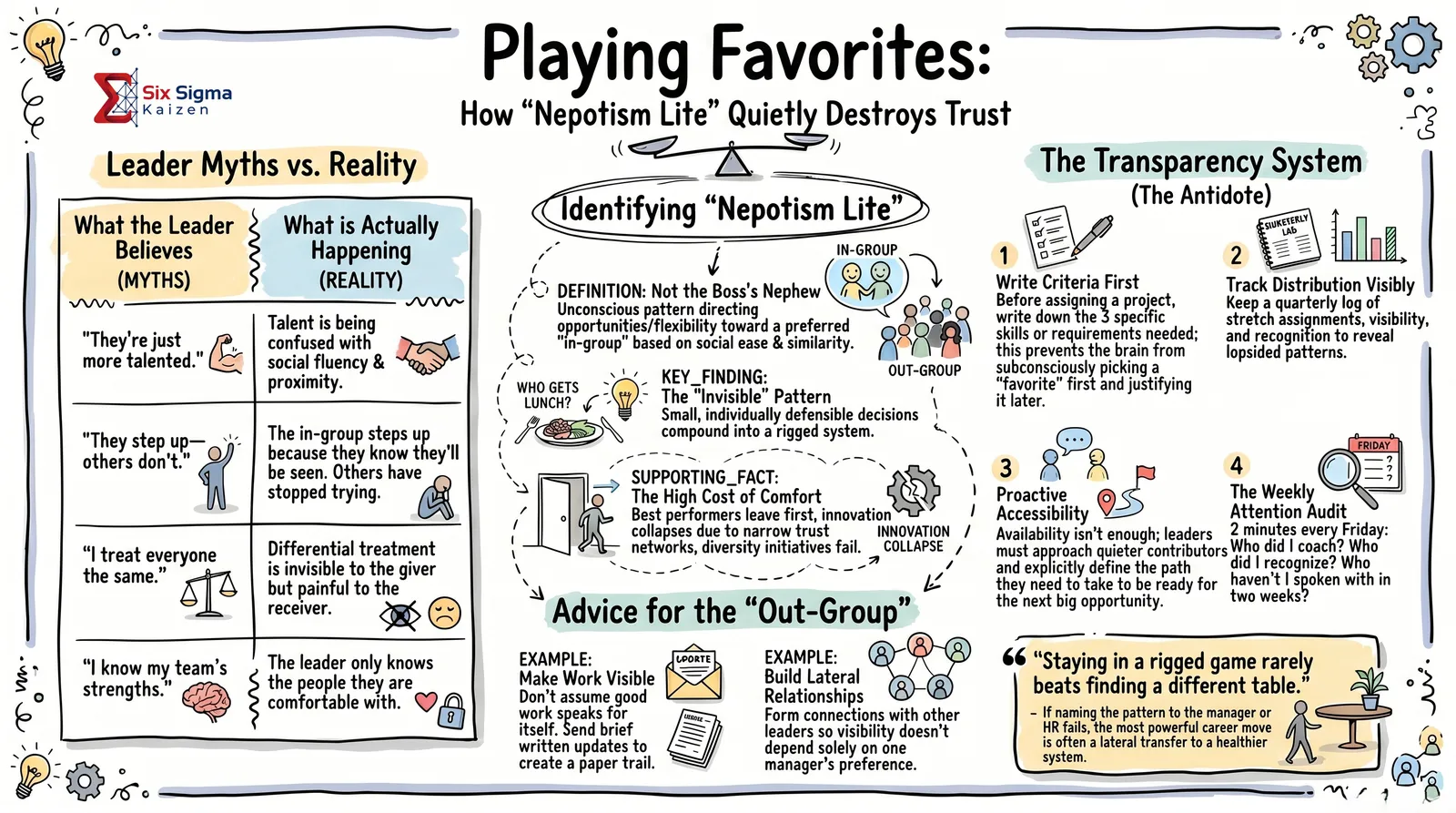
Playing Favorites | Corporate Taboos Issue 2Part 2 of the Corporate Taboos newsletter series: how Nepotism Lite quietly destroys team trust and the transparency system that levels the playing field.

September 1, 2026
Profit Spikes Are Not Proof of Operational Excellence.High revenue is often confused with sustainable excellence. This issue diagnoses the dangerous gap between a good quarter's profit and stable, repeatable process capability on the shop floor.

September 1, 2026
Public Trust: The Ultimate Operational MetricThis issue reframes social license to operate (SLO) not as a PR function, but as an operational constraint and critical success factor that must be integrated into core planning from day one.
September 1, 2026
Quality Is Not an Accident
September 1, 2026
Reading FDI: What a DeltaX move really means for American manufacturing.A diagnosis of what DeltaX's move to Georgia reveals about the future structure of advanced manufacturing in North America, and how operational leaders can prepare now.

September 1, 2026
Reading the Steel Price: What Nucor's Numbers Really Mean for Capacity PlanningWe look past the quarterly headline numbers to diagnose whether Nucor’s record shipments and high pricing signal sustainable industry strength or a temporary market spike that masks deeper operational risks.
September 1, 2026
Reshoring Supply Chains: Why Contracts Aren't Enough.We analyze why national-level supply chain agreements fail to translate into operational security. True resilience is built in the tooling, the training, and the shop floor process itself.
September 1, 2026
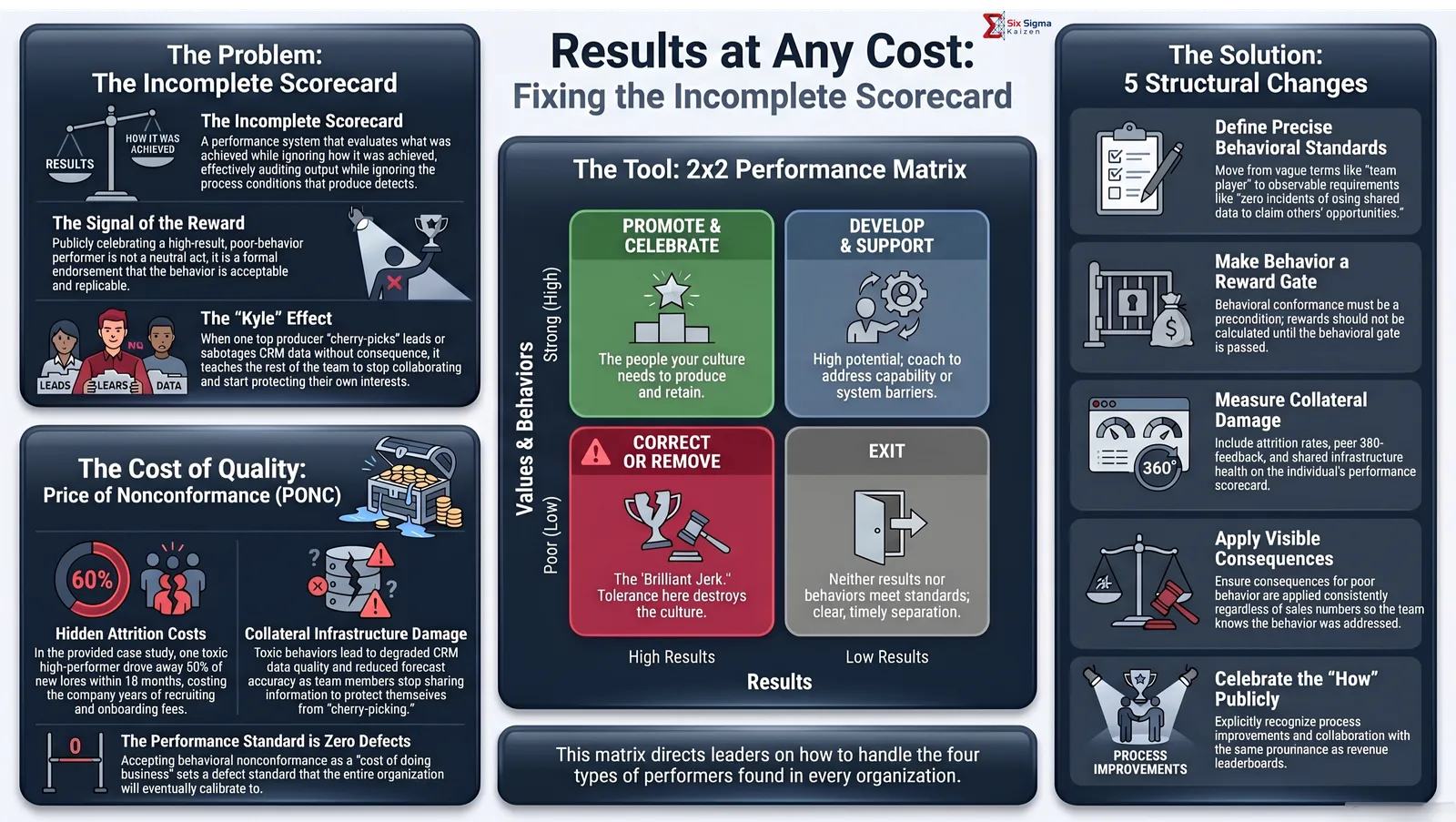
Results at Any Cost | Corporate Taboos Series 2 Issue 6Series 2, Issue 6 of the Corporate Taboos newsletter: why rewarding output while ignoring behavior destroys quality culture, how Crosby's prevention mindset exposes the hidden price of nonconformance, and what leaders must change to stop promoting results at any cost.

September 1, 2026
Separating Rare Earth Elements the Right Way: A New Look at Clean Chemistry.Current rare earth separation methods are highly complex, toxic, and expensive. This issue dives into a novel electrochemical approach that promises to radically simplify the purification process while dramatically improving sustainability and resilience in critical supply chains.

September 1, 2026
Solving the Handling Gap: Robotics for Non-Standard ComponentsThis issue diagnoses the assumption that only standardized, high-volume items are automatable. We apply advanced vision and soft tooling to tackle irregular geometries and delicate components on the shop floor.

September 1, 2026
Speed and Quality: Why you can't treat Lean and Six Sigma separately.This issue argues that treating Lean and Six Sigma as separate toolkits is a wasted effort. True operational excellence requires integrating waste reduction (Lean) with variation reduction (Six Sigma).

September 1, 2026
Stop Inspecting Defects: Build Quality Into Your Supplier's Process.It's tempting to treat defects found on arrival as a supplier failure. But the real fix isn't better inspection—it’s building simple, low-cost error prevention right at their source.
September 1, 2026
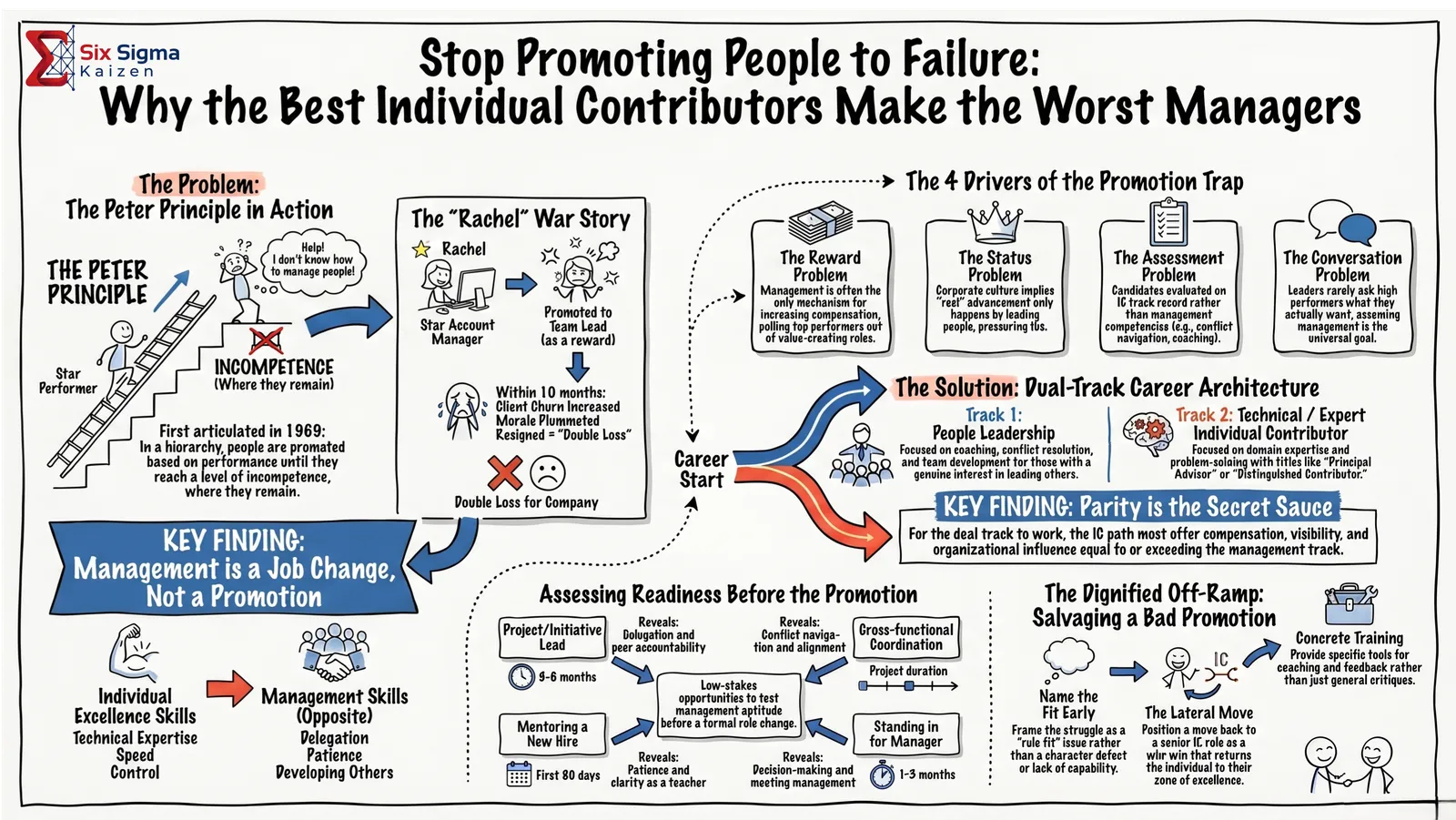
Stop Promoting People to Failure | Corporate Taboos Issue 3Part 3 of the Corporate Taboos newsletter series: stop promoting top individual contributors into failure and build dual-track career architecture instead.

September 1, 2026
The AI Hype Cycle and the Illusion of Operational GainsThis issue diagnoses why simply applying AI to existing processes fails to capture massive value. It argues that the strategic tension between efficiency gains and core revenue models must be addressed first.

September 1, 2026
The Assembly Gap: When Chip Design Doesn't Meet the Factory FloorThis issue diagnoses the 'Assembly Maturity Gap'—the point where even theoretically perfect chip designs fail because the practical, repeatable assembly process is not rigorously controlled. The fix requires shifting focus from pure engineering brilliance to operational rigor and standardization.

September 1, 2026
The Bottleneck is Not Memory—It's Density.As AI compute demands grow, conventional electronic architectures are hitting fundamental physical limits. This issue diagnoses the bottleneck not as memory capacity, but as physical density and data transfer bandwidth—and details how optical solutions are rewriting the rules of modern computation.
September 1, 2026
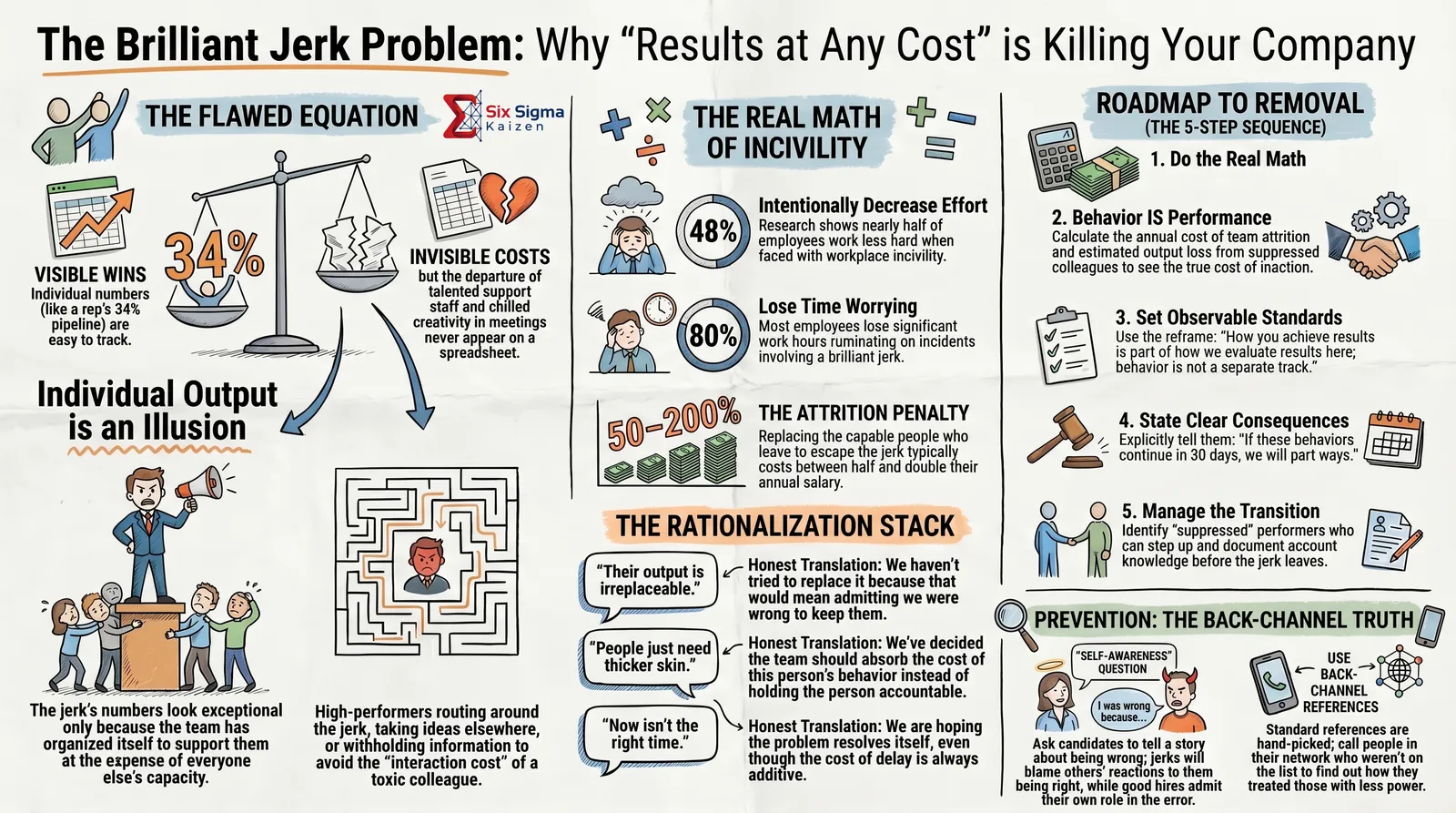
The Brilliant Jerk Problem | Corporate Taboos Issue 6Part 6 of the Corporate Taboos newsletter series: why results at any cost are killing your company and how to remove high-output toxic behavior without pretending it is worth the trade.

September 1, 2026
The CAPEX Signal: How Mega-Investments Define Where Manufacturing Will Live NextWe analyze major corporate investments—like Toyota's $3.6B in Texas—not as news headlines, but as clear indicators of where manufacturing capacity and supply chain commitment truly lie.
September 1, 2026
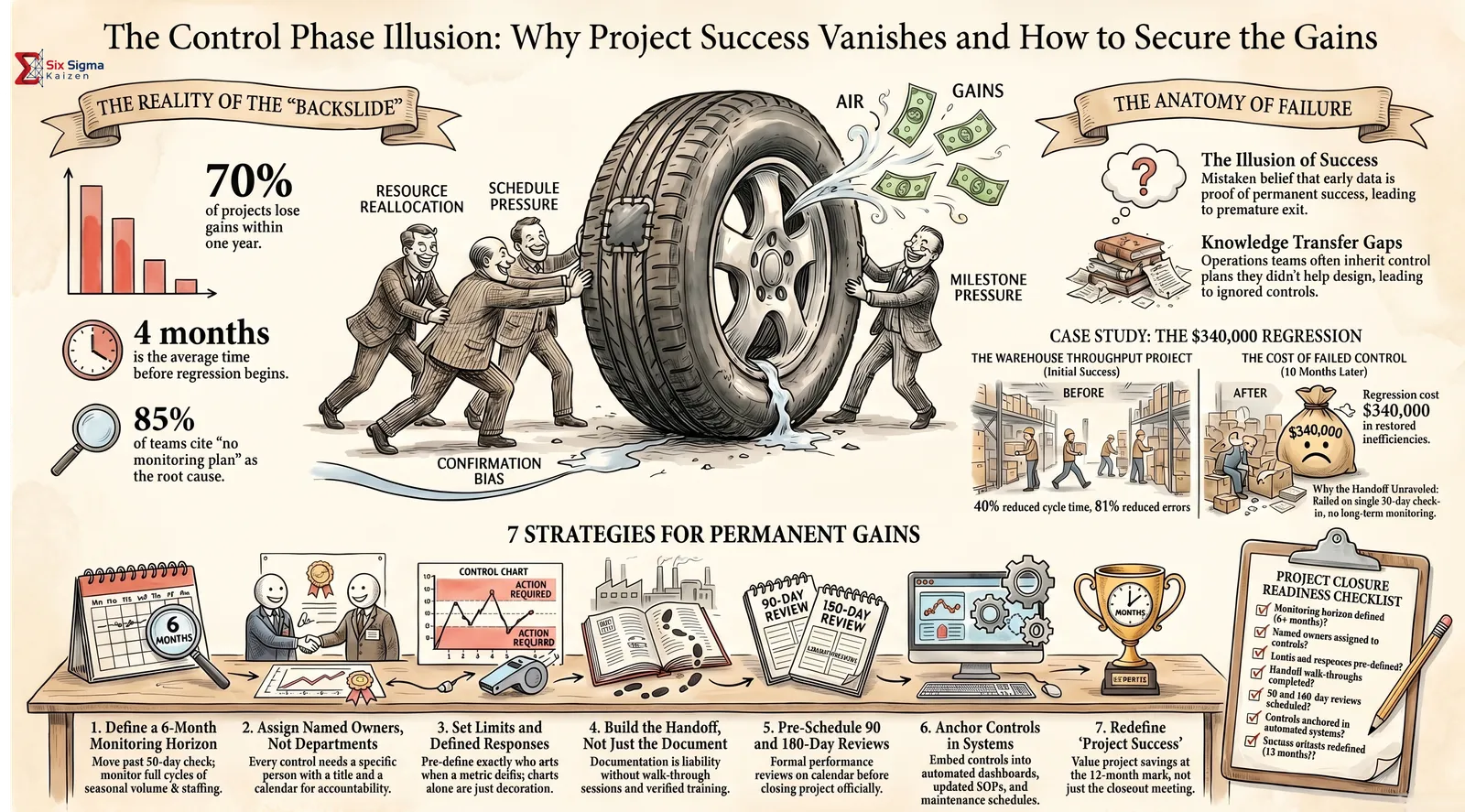
The Control Phase IllusionA practical newsletter on why DMAIC and improvement gains disappear after implementation, what causes backslide, and how to build a real Control phase that secures results.
September 1, 2026
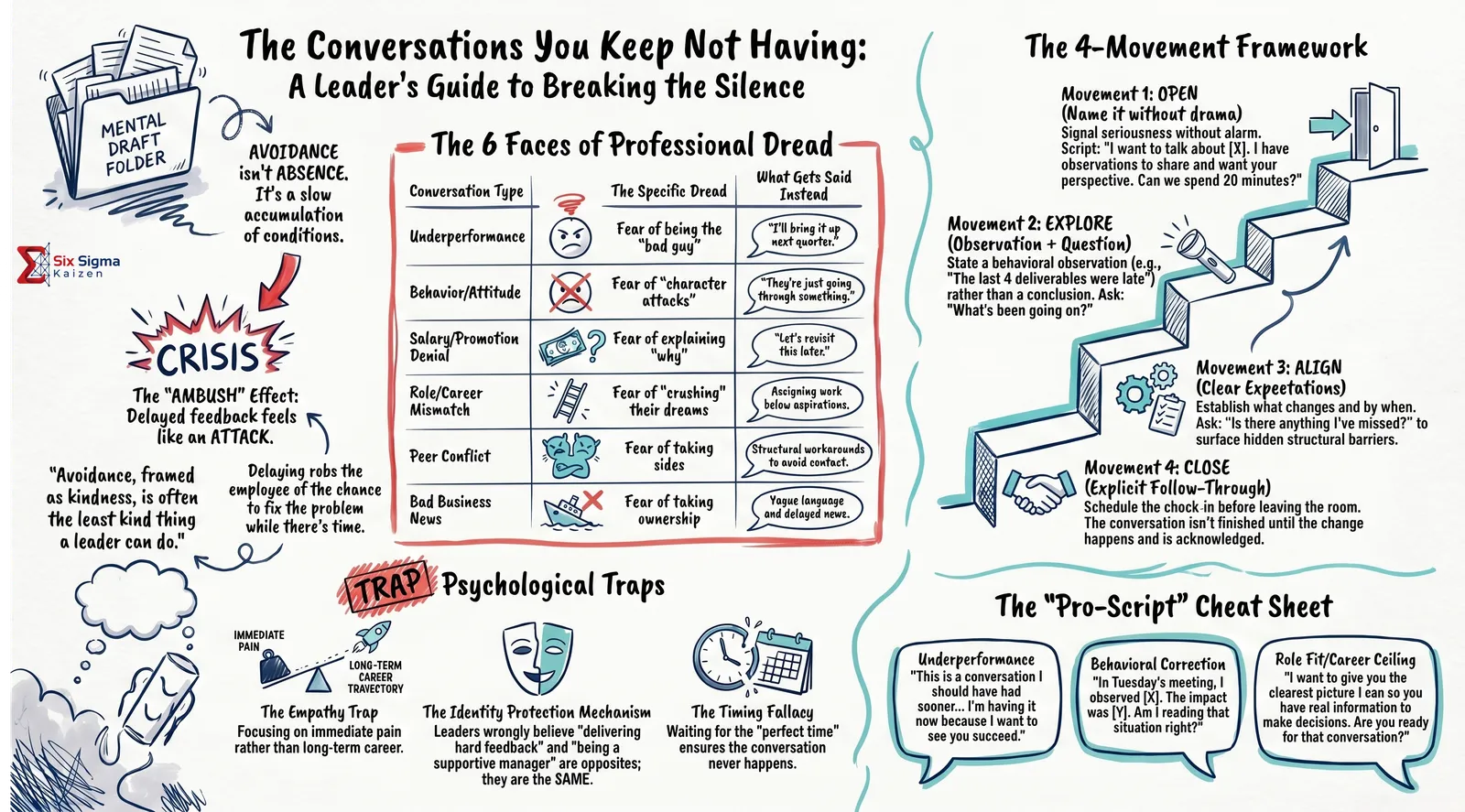
The Conversations You Keep Not Having | Corporate Taboos Issue 5Part 5 of the Corporate Taboos newsletter series: a leader's guide to breaking silence, handling hard conversations, and preventing delayed feedback from becoming crisis.

September 1, 2026
The Cost of Short Routes: Rethinking Crude Sourcing in a Volatile WorldAs global choke points become more volatile, major importers must fundamentally restructure their sourcing and logistics plans. This is a deep dive into how physical risk forces operational maturity.

September 1, 2026
The Dependency Blind Spot: Why Your Plan Stops at the Gate.Most operational risk planning stops at the plant gate. This issue diagnoses the critical gaps in assessing dependencies—from infrastructure to tier-two suppliers—and lays out a way to build real resilience into your system's operating logic.

September 1, 2026
The difference between knowing and doing on the floor.We analyze why many quality systems mistake theoretical knowledge recall (the 'what') for actual on-the-job skill mastery (the 'how'). This is about fixing the gap between theory and reality.

September 1, 2026
The Energy Problem: How Fusion Changes Everything.Fusion energy is poised to fundamentally change industrial and military power requirements. We examine the technical milestones (plasma diagnostics, DC output) that make advanced fusion a credible alternative to current grid models.

September 1, 2026
The Factory Brain: Moving Beyond Automation to Systemic IntelligenceThis issue diagnoses the failure to integrate advanced robotics and AI into a cohesive 'factory brain,' arguing that true gains come from system optimization, not just component replacement. We discuss how modern embedded systems manage complexity in labor-constrained environments.

September 1, 2026
The Gap Between Capability and Control: Chip Security for Advanced ManufacturingA deep dive into the current state of global chip development, examining where domestic growth meets critical international choke points like EUV lithography.
September 1, 2026
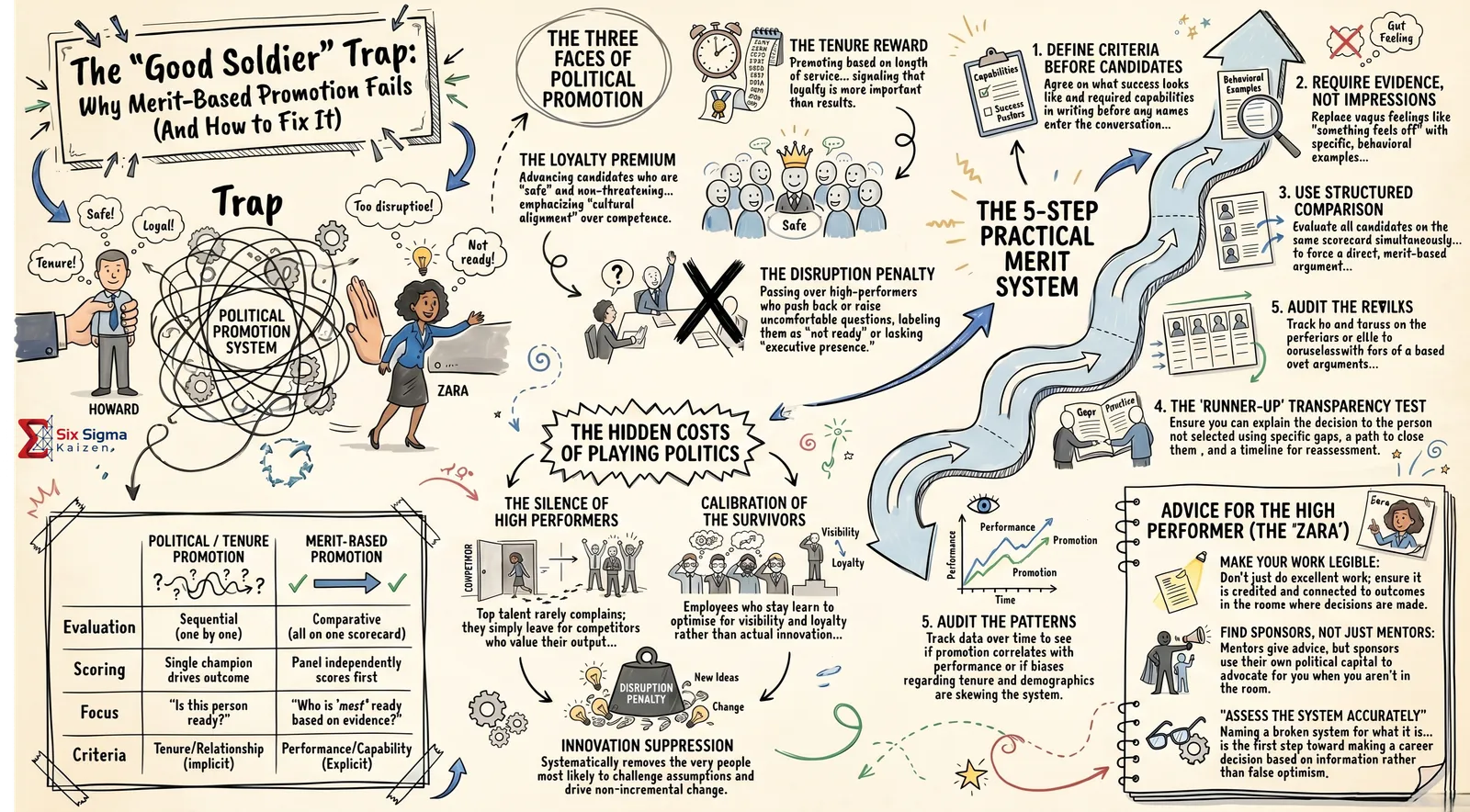
The Good Soldier Gets The Promotion | Corporate Taboos Issue 9Part 9 of the Corporate Taboos newsletter series: why merit-based promotion fails, how loyalty and tenure distort decisions, and how to build a practical merit system.

September 1, 2026
The Hidden Metals That Keep Manufacturing MovingThis issue diagnoses the critical resource vulnerabilities—copper, gallium, Germanium, and rare earths—that threaten to slow down the AI data center boom. We discuss what true supply chain resilience looks like in advanced manufacturing.

September 1, 2026
The Hidden Value in Low-Purity Ore: How Waste Becomes Critical Feedstock.This piece explores the economic opportunity presented by using abundant, low-grade iron ore (Dirty Taconite) directly to manufacture semiconductor-quality pyrite. We diagnose how resource waste can be viewed as a strategic asset.

September 1, 2026
The Illusion of Digital Transformation: What Truly Drives Operational Gains?A deep dive into what advanced technologies, like AI and IoT, actually mean on the shop floor. We look past the buzzwords to find concrete actions that drive genuine gains in resilience and productivity.

September 1, 2026
The Illusion of Vertical Integration in Modern Energy MarketsThis issue diagnoses how massive vertical integrations, like the recent Expand Energy/Twin Eagle merger, fundamentally change operational risk and value capture across natural gas supply chains. It's a look at moving beyond simple assets toward embedded systemic capability.

September 1, 2026
The Industrial Policy Trap: Making Quality Part of Economic GrowthA diagnosis of how ambitious industrial investments—like those in Advanced Air Mobility—require a holistic operational strategy that extends far beyond simply building capacity or hiring people. We focus on making quality and process maturity integral to regional economic success.

September 1, 2026
The invisible pressure: Why AI cooling is changing the factory floor.AI workloads are forcing data centers to adopt advanced cooling methods and rapidly scale infrastructure. This issue diagnoses the operational shift from air-cooling reliance to complex liquid systems, focusing on what facilities must plan for now.
September 1, 2026
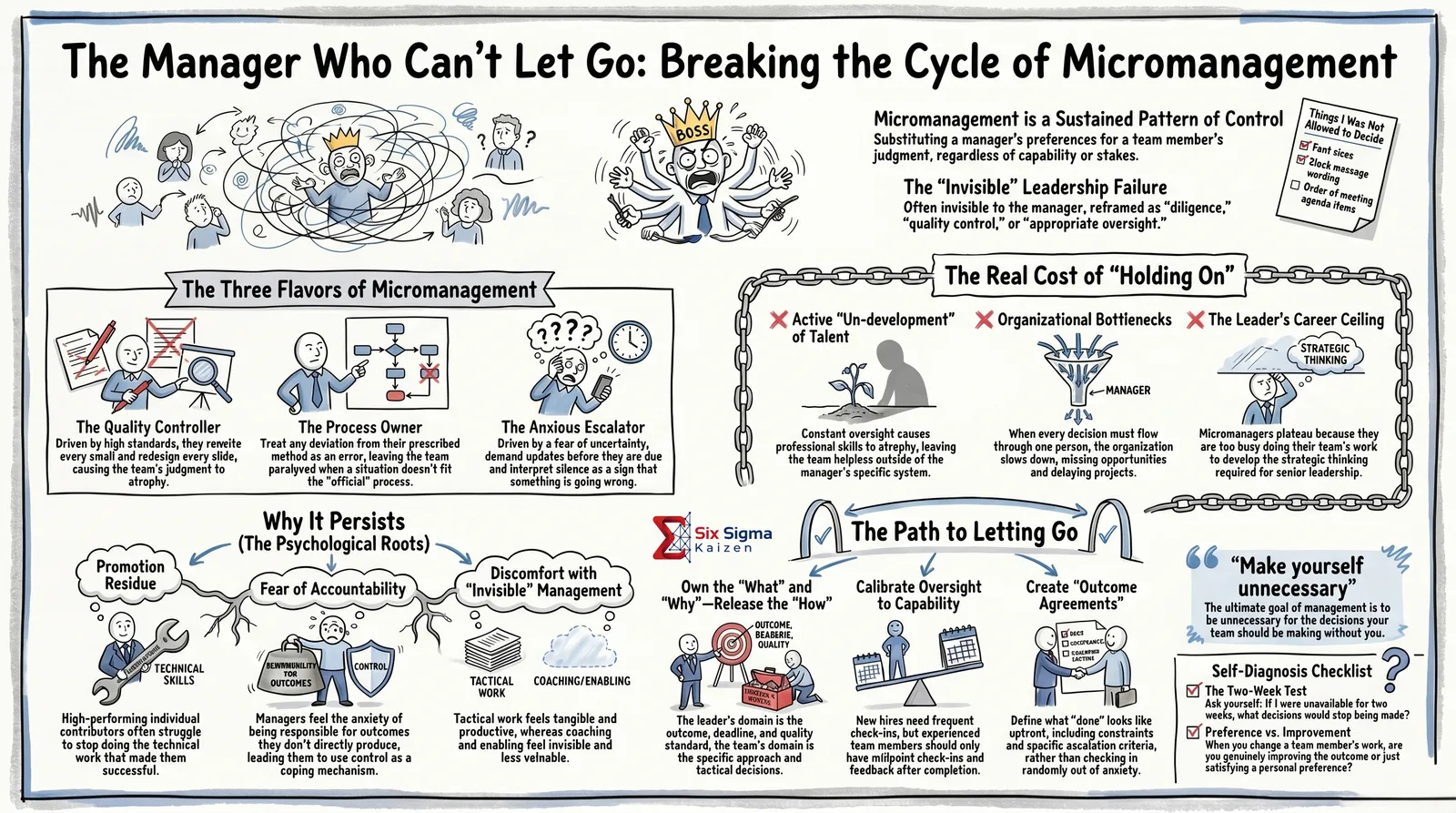
The Manager Who Can't Let Go | Corporate Taboos Issue 7Part 7 of the Corporate Taboos newsletter series: breaking the cycle of micromanagement, understanding its hidden costs, and learning the path to letting go.
September 1, 2026
The Myth of Autonomous Supply ChainsWe are told AI will fix our supply chains. This issue diagnoses why simply buying new software or 'agents' is not the solution, and what true operational orchestration requires.

September 1, 2026
The New Economics of Intelligence: Why Small Decisions Matter NowAs the marginal cost of intelligence collapses, supply chains are moving beyond simple visibility improvements. This diagnosis details how this economic shift enables automated decision-making for previously uneconomic tasks.

September 1, 2026
The new reality of critical material supply chains.As dependence on foreign sources limits options, understanding domestic refining capability is now a core operational risk. This issue diagnoses the failure of current supply chains to be truly resilient and offers insights into technology-driven solutions.

September 1, 2026
The Next Phase of AI: From Compute Scarcity to Utilization LimitsThis issue shifts focus from simply building raw AI compute capacity to managing utilization rates, solving regional power constraints, and optimizing the true operational economics of large-scale digital assets.

September 1, 2026
The Operational Playbook for Hybrid Aviation ReadinessThis issue diagnoses the complex, multi-site industrial coordination required to bring hybrid-electric aviation from testing benches to commercial routes. It focuses on practical integration challenges across engineering and manufacturing lines.

September 1, 2026
The Real Cost of Being Blind: Validating Threat Detection on the EdgeWe look at advanced threat detection—like differentiating a hostile UUV from benign ocean traffic. The core lesson is that operational maturity means building robust, reliable filters into your system's DNA.

September 1, 2026
The Real Cost of Building a Critical Supply Chain Center.A deep dive into the non-technical, human and process challenges of developing massive industrial complexes like a nuclear fuel campus. This is about how operational principles apply to national policy failure.

September 1, 2026
The real cost of geopolitical uncertainty on your supply chain.A diagnosis of how unpredictable trade policy, like Section 301 tariffs, forces companies to shift from 'optimization' thinking to pure operational risk mitigation. This is about building redundancy into your physical process flow.

September 1, 2026
The Real Picture of Modern Power GenerationWe look beyond the hype cycle to examine how modern grid operations require a pragmatic, integrated mix of every available power source—including gas and oil—to maintain reliability.
September 1, 2026
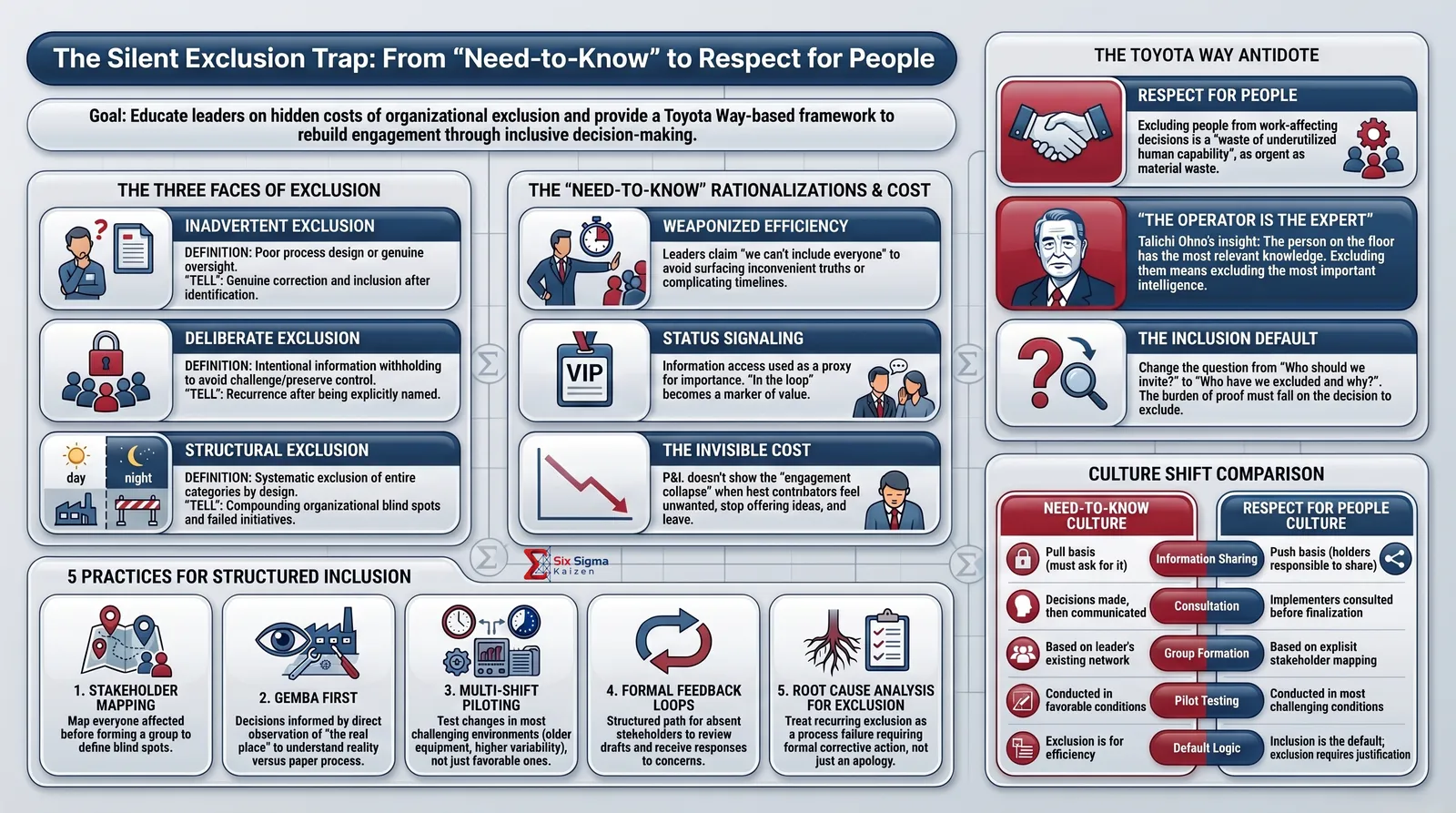
The Silent Exclusion Trap | Corporate Taboos Series 2 Issue 3Series 2, Issue 3 of the Corporate Taboos newsletter: why need-to-know cultures destroy engagement, how exclusion becomes a leadership system failure, and how Respect for People restores inclusion.
September 1, 2026
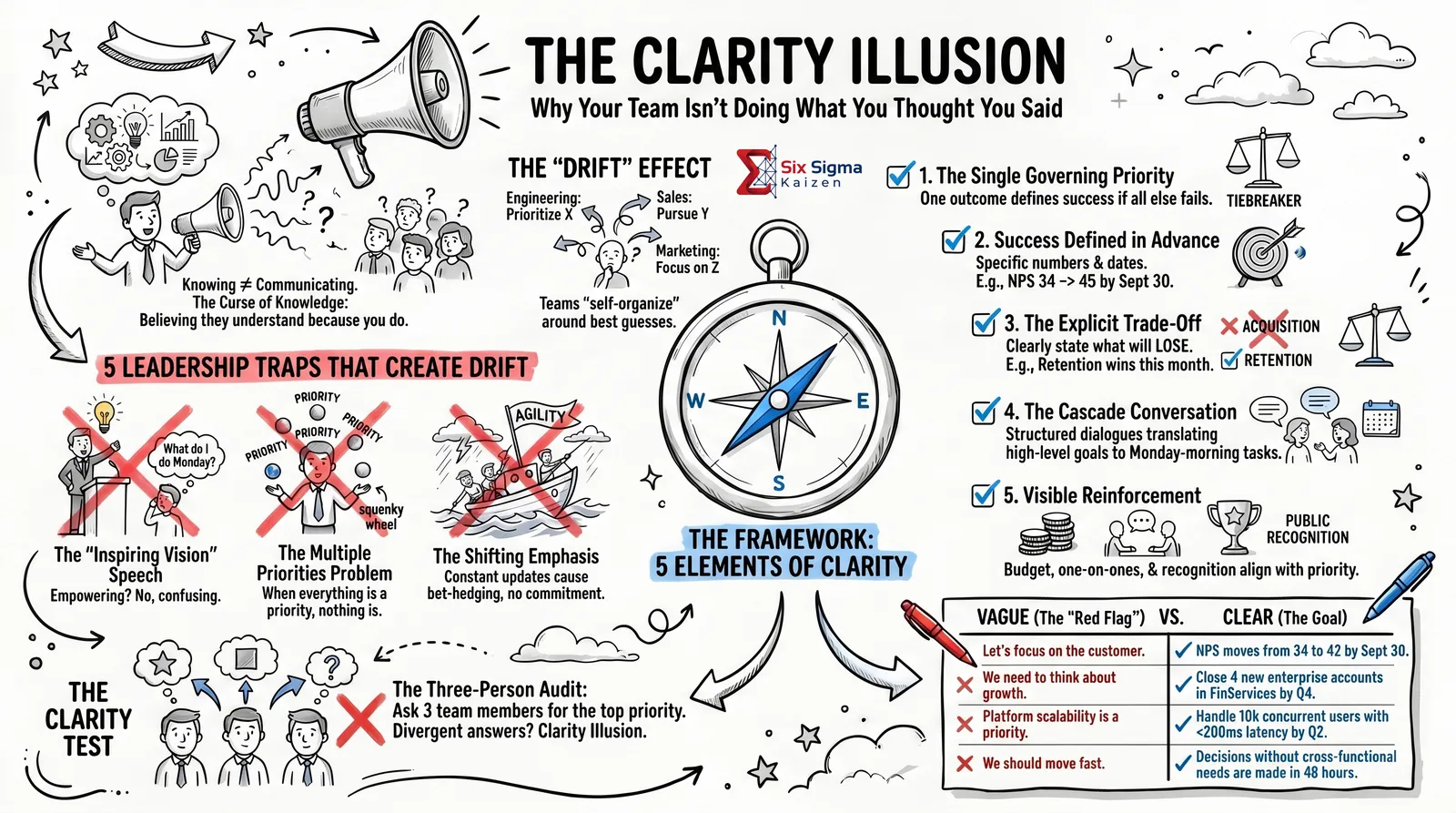
The Silent Killer of Productivity | Corporate Taboos Issue 8Part 8 of the Corporate Taboos newsletter series: the clarity illusion, why teams drift away from intent, and how leaders can define one governing priority with explicit trade-offs.

September 1, 2026
The Software Fix: Why AI is the Next Frontier for Industrial Quantum ComputingWe look past the physics hype to address the true operational bottleneck in quantum computing: reliably translating complex calculations into stable, usable industrial output using intelligent software layers.
September 1, 2026
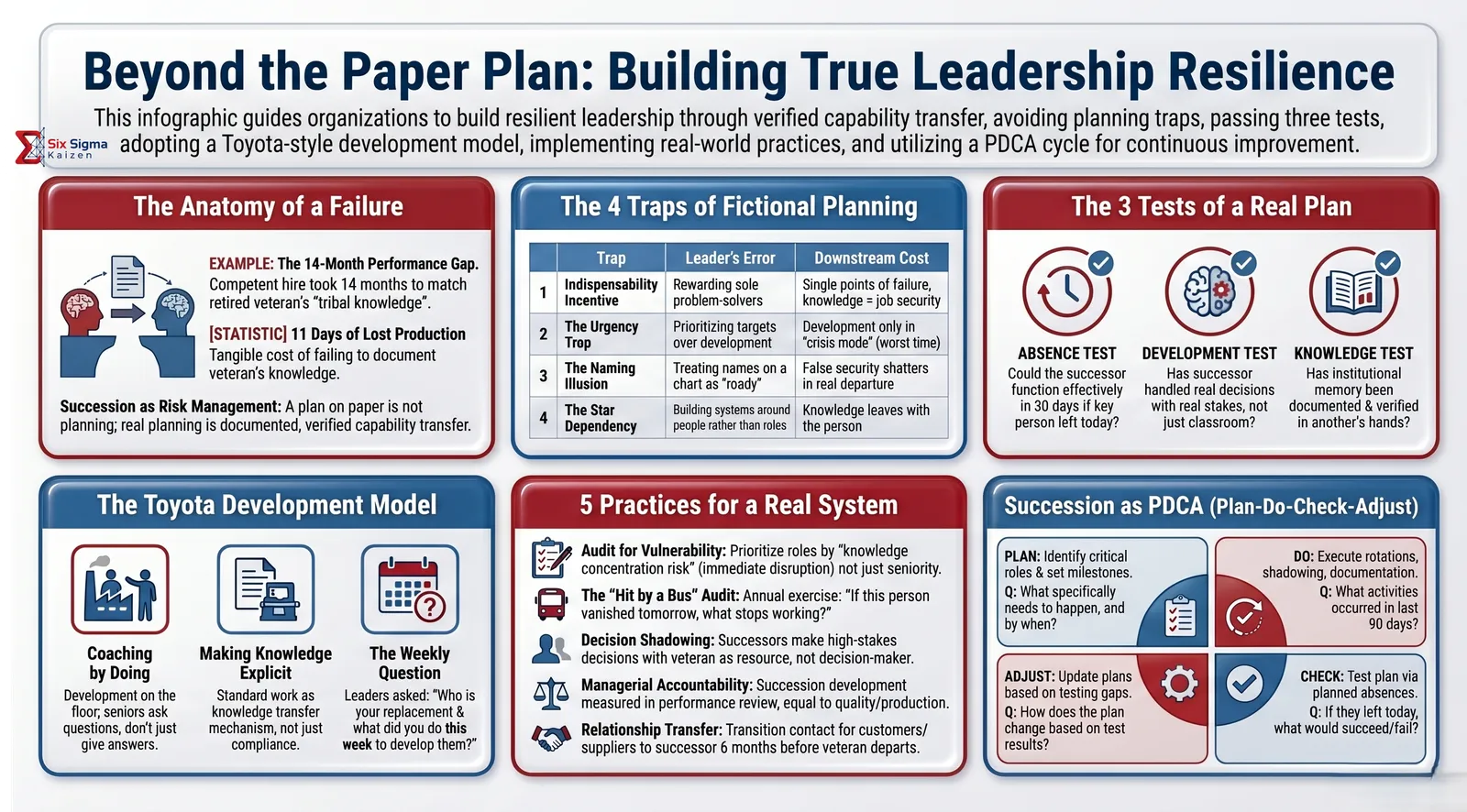
The Succession Plan That Doesn't Exist | Corporate Taboos Series 2 Issue 1Series 2, Issue 1 of the Corporate Taboos newsletter: why succession plans fail in practice, the traps of fictional planning, and how to build real leadership resilience.

September 1, 2026
The Tariffs and Trade Shifts That Stop Your Supply Line ColdA diagnosis of how unilateral trade actions and forced labor allegations create immediate, complex operational risks that go beyond simple tariffs. This piece focuses on practical due diligence requirements and restructuring global sourcing strategies.

September 1, 2026
The True Value of Harmonizing Global Standards (SPC)This issue dives into the AIAG-VDA joint standard, explaining how standardized SPC practices simplify compliance and accelerate operational maturity across borders. It's about making the manual work actually useful.

September 1, 2026
Thinking Compliance Is Enough for Quality.Passing an audit like the FDA inspection is not proof of quality. This issue diagnoses the gap between theoretical QMS documentation and actual, sustained on-the-floor capability required by modern regulations.

September 1, 2026
Timing is Everything: Managing Cash Flow with Duty TimingThis issue analyzes how strategic timing—using mechanisms like Free Trade Zones (FTZs) and periodic filings—can be used as a financial tool to manage working capital in global supply chains.

September 1, 2026
What Starship's Reusability Actually Means for Manufacturing DisciplinesA deep dive into Starship's latest milestones to extract core lessons on phased, high-stakes system development and operational rigor.

September 1, 2026
When a Hand-Off Point Becomes Your Weakest LinkWe are used to treating the supply chain as linear. But real vulnerability lives in the gaps—the hand-off points between systems, people, and partners. This is how you audit those hazards.

September 1, 2026
When a puzzle piece is worth more than gold: Applying robotics to non-traditional assembly.We look at how advanced AI and robotics are tackling the restoration of ancient art, revealing principles that apply directly to niche manufacturing bottlenecks. It's about diagnosis through vision, not just force.

September 1, 2026
When a single choke point stops everything: The Rhine lesson.A diagnosis of how global commodity movement is being amplified by aging infrastructure and volatile climate patterns. We examine the critical vulnerability represented by choke points like the Rhine River.

September 1, 2026
When AI becomes a supply chain component.This issue diagnoses the emerging structural dependency on large foundational AI models and proposes a new operational framework to manage this 'model dependence' risk, ensuring true sovereignty in your digital supply chain.

September 1, 2026
When AI Goes from Advisor to Operator: Managing Autonomous Agents in Supply ChainsAutonomous agents are changing how logistics operates, moving beyond merely suggesting a better path. This piece diagnoses the shift from decision support to taking operational responsibility and outlines what that means for human oversight.

September 1, 2026
When AI Logic Fails: Building Immunity into Your OperationsAs AI systems become mission-critical, the risk shifts from mechanical failure to logical drift. This issue outlines how to build systemic redundancy and human oversight into modern manufacturing processes.

September 1, 2026
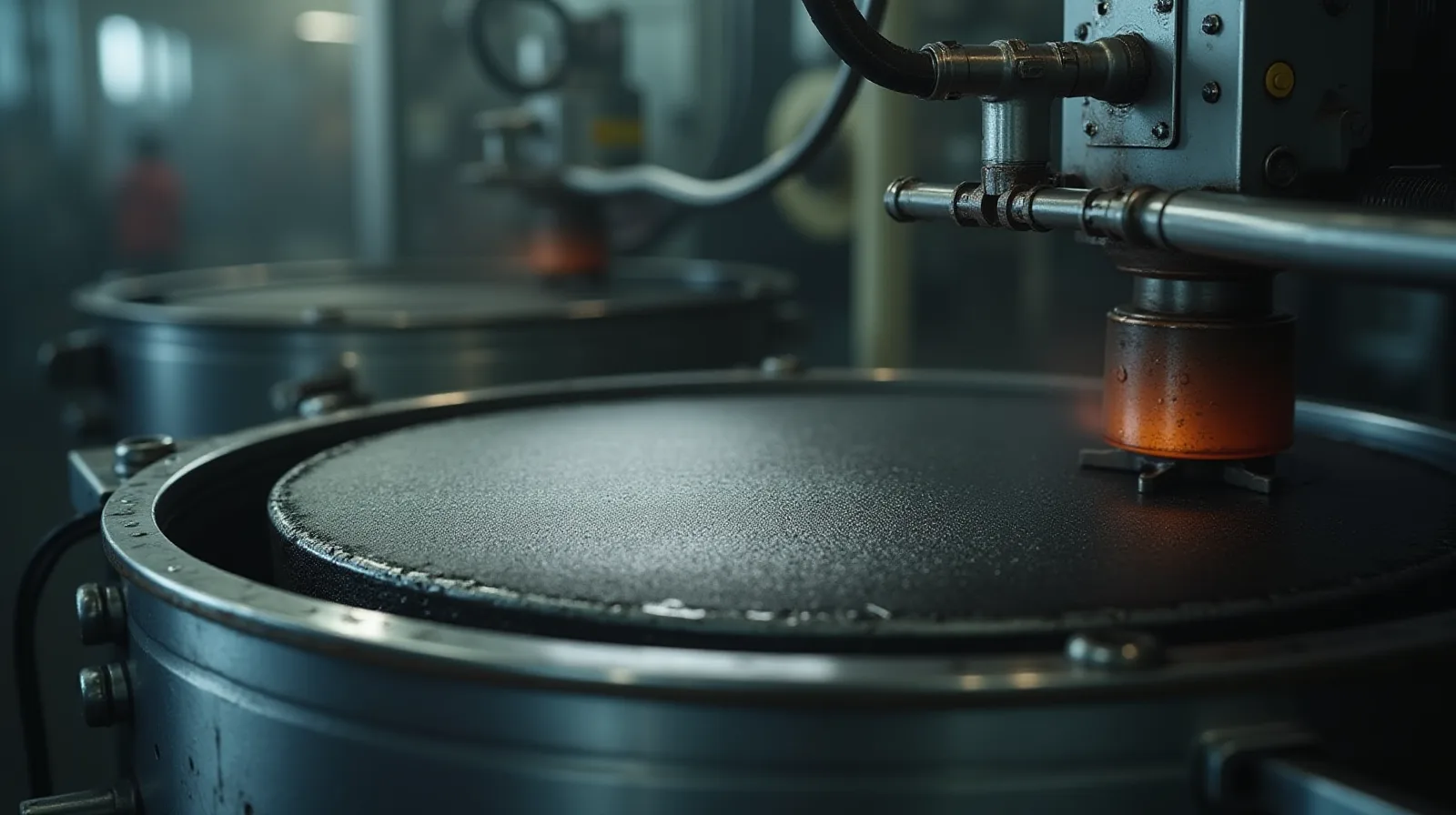
When Bonding Materials Become the Next Problem to SolveAs we build more complex devices using high-performance fluoroplastics, the 'end of life' problem is no longer just about separating components. We must design bonding solutions that allow full disassembly and recovery without damaging the substrate.
September 1, 2026
When Copper Gets a Twist: Solving Energy's Biggest Waste StreamThis issue explores how manipulating catalyst structure and electron spin can solve one of electrochemistry's major bottlenecks: unwanted hydrogen gas production during CO₂ reduction.

September 1, 2026
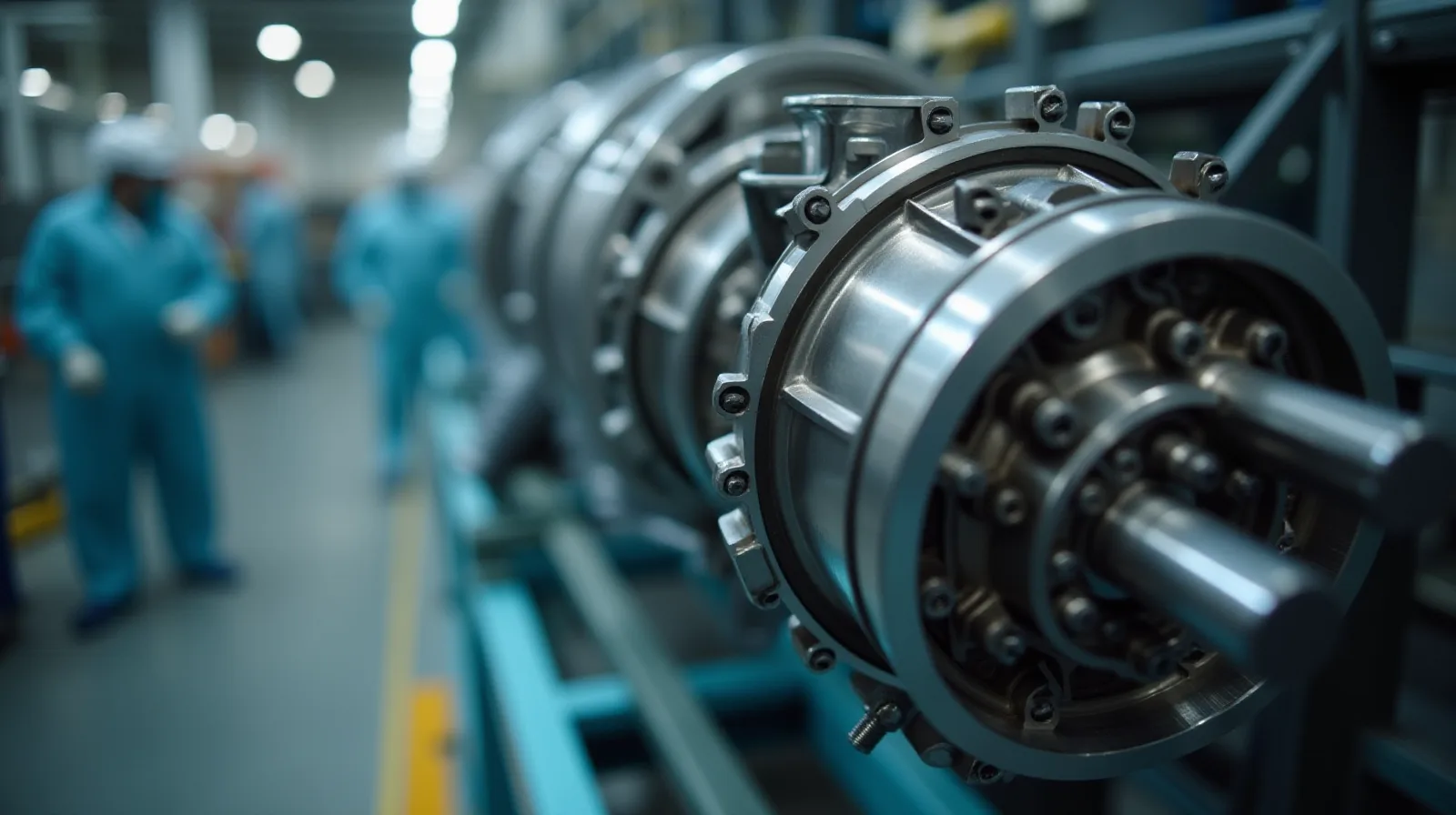
When data becomes action: Moving beyond the dashboard.This issue diagnoses the shift from merely visualizing process data to building automated decision architectures that execute preemptive, micro-adjustments on the shop floor.
September 1, 2026
When Engines Get Too Fast: Precision Fires and Next-Gen PropulsionExamining how Rotating Detonation Rocket Engines (RDREs) represent a fundamental shift in propulsion physics, and what that means for modern long-range defense systems. This is about the hardware change, not just the software update.

September 1, 2026
When Geopolitics Hits: Building Supply Chains That Actually Endure.This issue diagnoses how global geopolitical instability demands a fundamental shift in supply chain thinking—from minimizing cost to maximizing survival capability. We outline specific, actionable structural changes required today.

September 1, 2026
When Geopolitics Hits the Line: Preparing for Tariff ShockwavesSweeping tariff powers represent a massive, unpredictable operational risk. This issue diagnoses how manufacturing supply chains must pivot their planning and sourcing strategies to survive political shockwaves.

September 1, 2026
When Geopolitics Hits the Supply Chain: What Operators Need to Know.A diagnosis of how sudden shifts in global maritime stability immediately translate into cost, schedule, and physical risk on the plant floor. We look at what really moves oil prices: the vessel's ability to move.
September 1, 2026
When Geopolitics Hits the Supply Chain: What to Actually Do Now.Recent conflicts have transformed predictable global trade routes into volatile, high-risk zones. This diagnosis outlines immediate operational shifts required to keep goods moving when the map itself is changing.

September 1, 2026
When Geopolitics Hits the Supply Chain: What to Expect Next.A deep dive into how geopolitical conflicts are forcing operational halts and creating systemic pressure points across global commodity supply lines, using the Black Sea as a case study.

September 1, 2026
When Geopolitics Meets the Pipeline: How Chokepoints Break OperationsThis issue diagnoses the physical and financial risks posed by critical maritime chokepoints, detailing how geopolitical instability translates into quantifiable disruptions across energy supply lines.

September 1, 2026
When Geopolitics Replaces Cost: Building a Secure Operating SystemGlobal geopolitical tensions are forcing a fundamental, structural re-evaluation of the global supply network. This isn't just about cost; it's about national security and capability continuity.

September 1, 2026
When 'Human Error' is a Stop Sign for Investigation.Most organizations stop investigations when they point to 'human error.' This piece outlines why that assumption is dangerous and provides a framework for finding the true systemic vulnerabilities in your process.
September 1, 2026
When Mega-Cap Spending Reshapes the Factory FloorMassive investments in semiconductor manufacturing are fundamentally reshaping where and how high-tech goods are made. We look beyond the hype to analyze the actionable implications for your logistics, sourcing, and operational planning.

September 1, 2026
When National Security Becomes Operational DesignAnalyzing how US military restrictions and foreign adversaries' technology transfer concerns are forcing a redesign of industrial policy, particularly in advanced humanoid robotics. This goes beyond headline fear to diagnose the actual process changes needed on the shop floor.

September 1, 2026
When National Strategy Meets Machine Reality: The Case for Reshoring Wafer SupplyExamining how major tech investments (like Micron/GlobalWafers) translate geopolitical goals into tangible, long-term supply stability at the wafer level. This is about building self-sufficiency one machine cycle at a time.

September 1, 2026
When Packaging Becomes the Bottleneck: Reshaping AI Infrastructure.A deep dive into how heterogeneous integration and specialized chip packaging are redefining the performance limits of next-generation AI hardware, driven by strategic investments in US capacity.

September 1, 2026
When paper plans meet the foundry: Operationalizing hybrid manufacturing.Advanced hybrid and additive technologies are changing the speed of repair and readiness. This piece diagnoses where theory meets dust on the shop floor, offering actionable insights into training systems that truly embed advanced capability.

September 1, 2026
When Profit Spikes Are Just a Market IllusionHigh market profits can blind leaders into thinking external scarcity is a sign of internal mastery. This piece diagnoses how companies confuse temporary pricing power with genuine operational sustainability and outlines where the real work must be done.

September 1, 2026
When Reporting Failures Become Systemic ProblemsA deep dive into why internal reporting mechanisms—like whistleblowing programs—fail by focusing on the conflict of interest inherent in their structural setup.

September 1, 2026
When short-term money costs long-term water.Industrial growth often focuses on short-term permits and immediate capital gains, ignoring fundamental resource depletion. This issue outlines a shift from mere compliance to true resource-based modeling.

September 1, 2026
When Short-Term Money Trumps Long-Term Water.An analysis of the risks posed by rapid, large-scale industrial development in water-stressed regions. We look at what happens when economic urgency blinds regulators to basic ecological physics.

September 1, 2026
When shortcuts become risk: architecting compliance into the process.This issue examines the failure mode where process shortcuts, driven by efficiency pressures or human fatigue, create massive structural risks in regulated environments. The solution is to embed mandatory validation logic directly into the physical and digital flow of work.

September 1, 2026
When the Chokepoint Closes: Operationalizing Geo-Risk into SOPsThis piece moves past geopolitical reporting to provide actionable steps for integrating predictive, catastrophic supply disruption modeling into core operational playbooks and decision-making.

September 1, 2026
When the computer has to run on a single electron's worth of power.A look at how breakthroughs in single-electron data storage are not just incremental improvements, but fundamental shifts that will redefine compute power and energy use on the plant floor.

September 1, 2026
When Theory Meets Tooling: Operationalizing AI for Real-World Defense CapabilityWe look at how modern defense cooperation is shifting from buying equipment to building joint, technically focused task forces capable of rapid AI deployment and operationalization. This is about making the abstract tangible.

September 1, 2026
When to Stop Treating Every Part Like a Unique Build Job.Bespoke scanning routines are the single biggest bottleneck in high-mix automated QC. We look at how simplifying your scan path—using bounding boxes and simplified trajectories—can unlock massive efficiency gains without sacrificing required inspection fidelity.

September 1, 2026
When Training Ends: Integrating AI into the Live FightIntegrating advanced semi-autonomous systems like combat drones is not just a technical challenge; it requires an entirely new set of operating procedures and human reflexes. This issue diagnoses the procedural gaps that appear when technology outpaces training protocols.

September 1, 2026
When Your AI Logic Fails: Managing the New Physical DependencyAs AI models become mission-critical components, the failure modes shift from mechanical breakdown to 'logic drift.' This issue details how manufacturing leaders must build physical and operational abstraction layers into their risk planning.
September 1, 2026
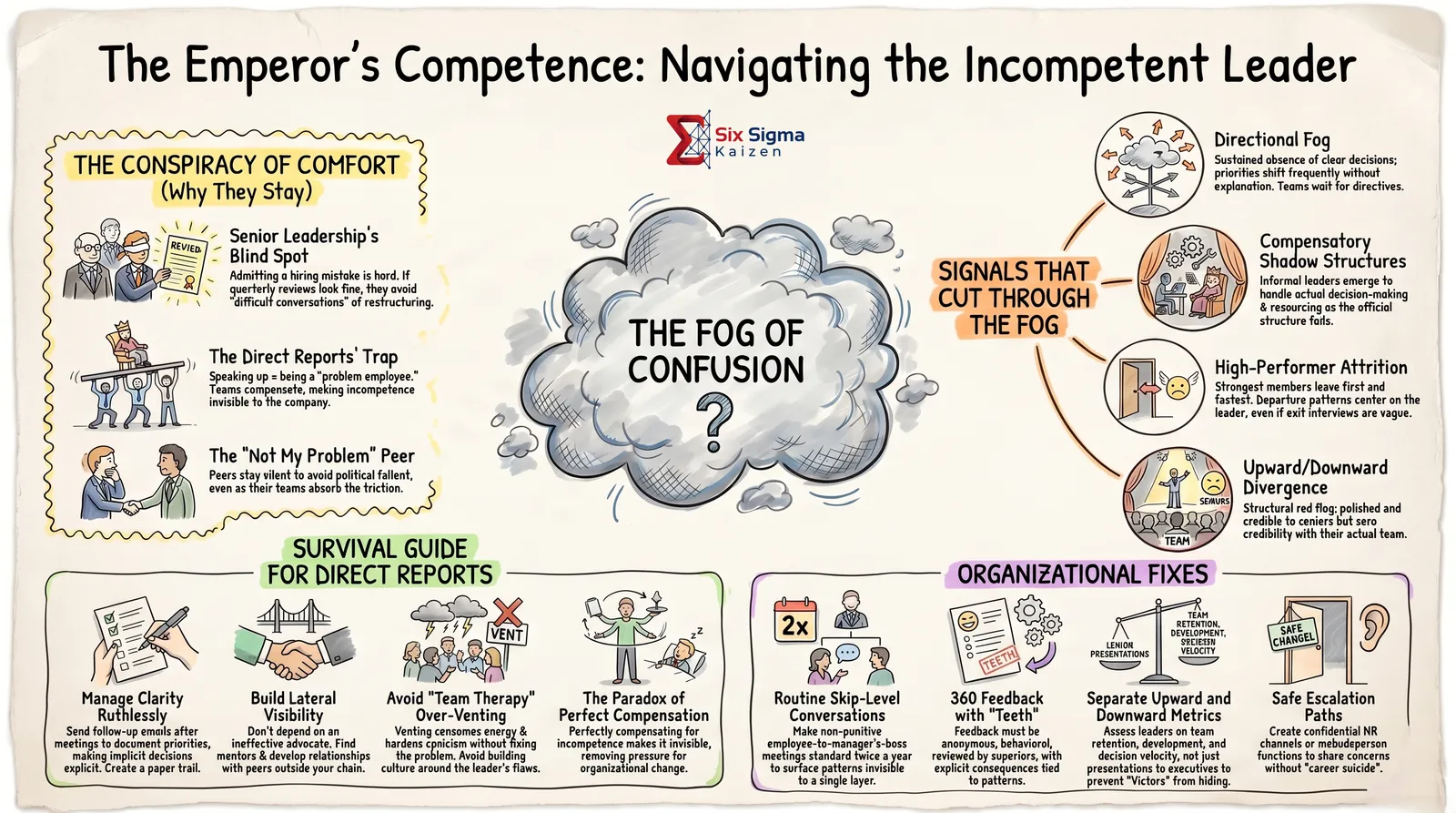
When Your Boss is in Over Their Head | Corporate Taboos Issue 4Part 4 of the Corporate Taboos newsletter series: how to navigate an incompetent or overwhelmed leader, protect clarity, and fix the organizational conditions that let leadership fog persist.

September 1, 2026
Where Does the Work Start and Stop?A deep dive into the legal and political complexity surrounding reservation boundaries, using current litigation to diagnose systemic failures in governance structures.
September 1, 2026
Where is Quality Going Next: Learning from Semiconductor Mega-Investments?Analyzing the confluence of government incentives, geopolitics, and market demand driving massive semiconductor investments. This piece provides a blueprint for understanding strategic location decisions in manufacturing today.
September 1, 2026
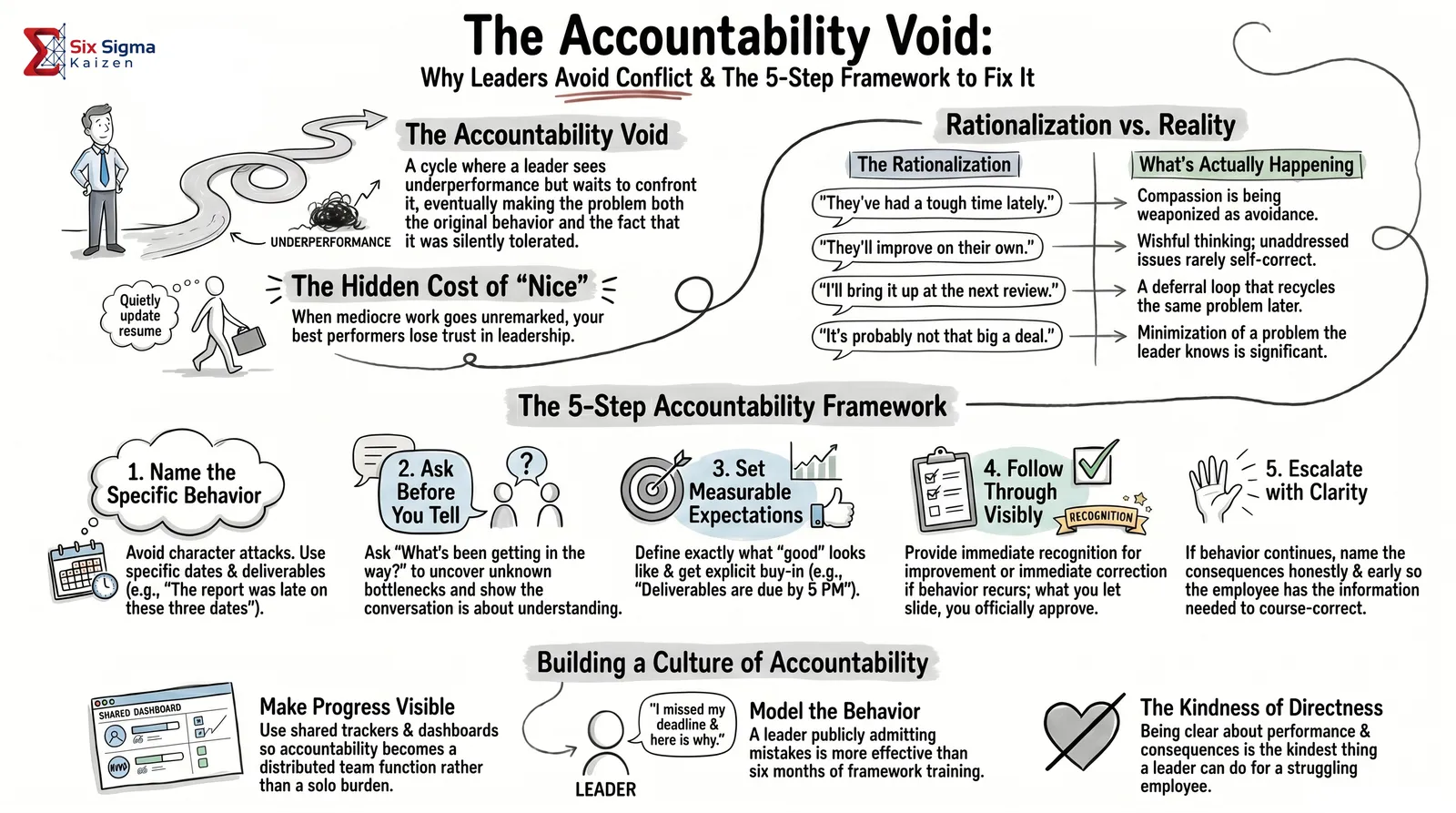
Why Accountability Dies in Most Teams | Corporate Taboos Issue 1Part 1 of the Corporate Taboos newsletter series: why accountability dies in most teams and a five-step leadership framework to bring it back.

September 1, 2026
Why Packaging is Now the Real Bottleneck in High-Tech ManufacturingWe are shifting the focus of supply chain risk from silicon shrinkage to physical assembly and packaging reliability. The real bottleneck is process maturity, not chip geometry.

September 1, 2026
Why Separating Lean and Six Sigma is a Waste of Time.Operational excellence isn't a choice between speed and quality; it requires combining waste elimination (Lean) with rigorous variability control (Six Sigma).

September 1, 2026
Your AI Agents Only Work If You Fix Your Product Data First.This piece argues that most AI initiatives fail because they are fed 'garbage in.' True, scalable automation requires rigorous data governance starting at the PLM level.