The Problem: Building the Room vs. Changing the Habit
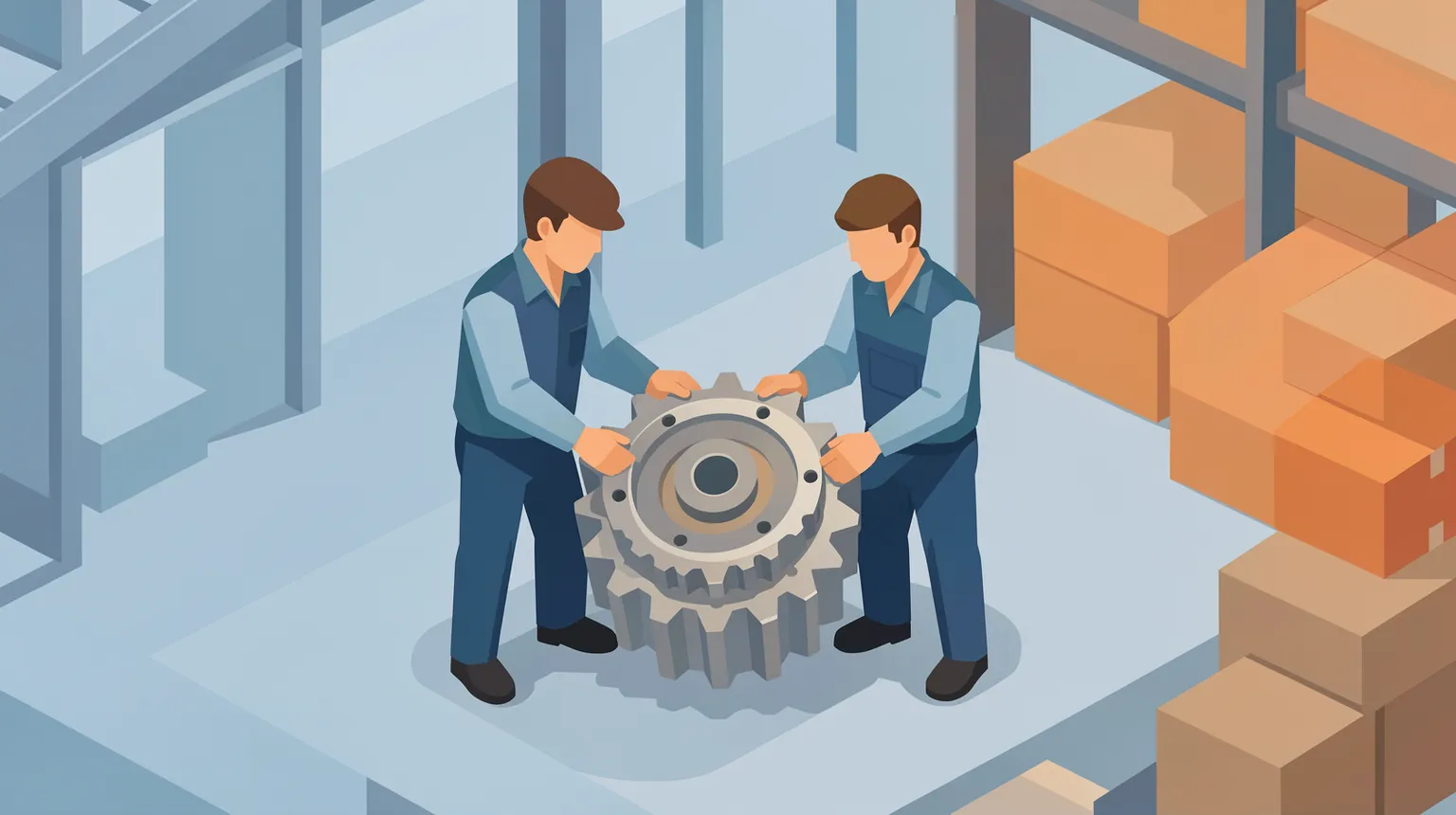
I have spent enough time on manufacturing floors to know that we often mistake a new piece of furniture for a new way of working. You walk into a plant and see it—the "Obeya" room. It’s impressive. There are A3 posters everywhere, the walls are covered in charts, and there is a sense of organized purpose in the air. But if you walk out of that room and back onto the production floor six months later, does anything actually feel different? Or did we just build a high-end stage for people to perform "improvement" on without actually changing how they make parts?
This is The Theater of Governance. It’s the belief that by creating a physical space for information to flow, the culture will automatically follow. We treat the Obeya room like a magic box: we put the problems inside, and somehow, accountability should pop out the other side. But an Obeya room without behavioral alignment is just a very expensive storage unit for charts.
I’ve watched teams spend weeks perfecting the layout of their visual management boards while the actual operators on the line are still using "shadow" processes to hit their numbers because the official process is too cumbersome. We focus on the container—the room, the walls, the software—instead of the content, which is how people decide who owns a problem when it hits a snag. A physical setup is not a strategy; it is a tool. If the behavior behind the tool hasn't changed, you haven't built a governance system; you’ve just decorated a failure.
Why Governance Fails: The Anatomy of Drift
The reason these rooms fail isn't usually because the layout is bad or the posters are messy. It fails because of "drift." This happens when responsibility stays trapped in functional silos. Quality owns the defect, Production owns the throughput, and Maintenance owns the uptime. When a problem arises that sits in the gap between those three—like a machine that is technically running but producing inconsistent quality—everyone looks at the Obeya board and waits for someone else to move first.
The "drift" happens because we haven't aligned our behaviors; we’ve only aligned our locations. We put everyone in the same room, but they are still thinking about their own departments. They aren't looking for a solution to the customer’s problem; they are looking for a way to keep their specific department from being blamed for it.
To see what is actually happening when these systems break down, look at how we rationalize the lack of progress:
| The Comfortable Rationalization | The Underlying Reality |
|---|---|
| "We have an Obeya room and a clear process; the team just needs to be more proactive." | No one feels empowered or responsible for the gap between departments. They are waiting for permission. |
| "The information is all on the walls; everyone should know what's happening." | Information is not the same as ownership. People see the data but don't feel the weight of the decision. |
| "We have a meeting every morning to review the boards." | The meeting is a status update, not a governance session. It’s a ritual of reporting, not a mechanism for solving. |
| "The process is documented and standard work is in place." | Standard work exists on paper, but the daily behavior remains reactive and siloed. |
The Cost of Looking Busy (and Not Effective)
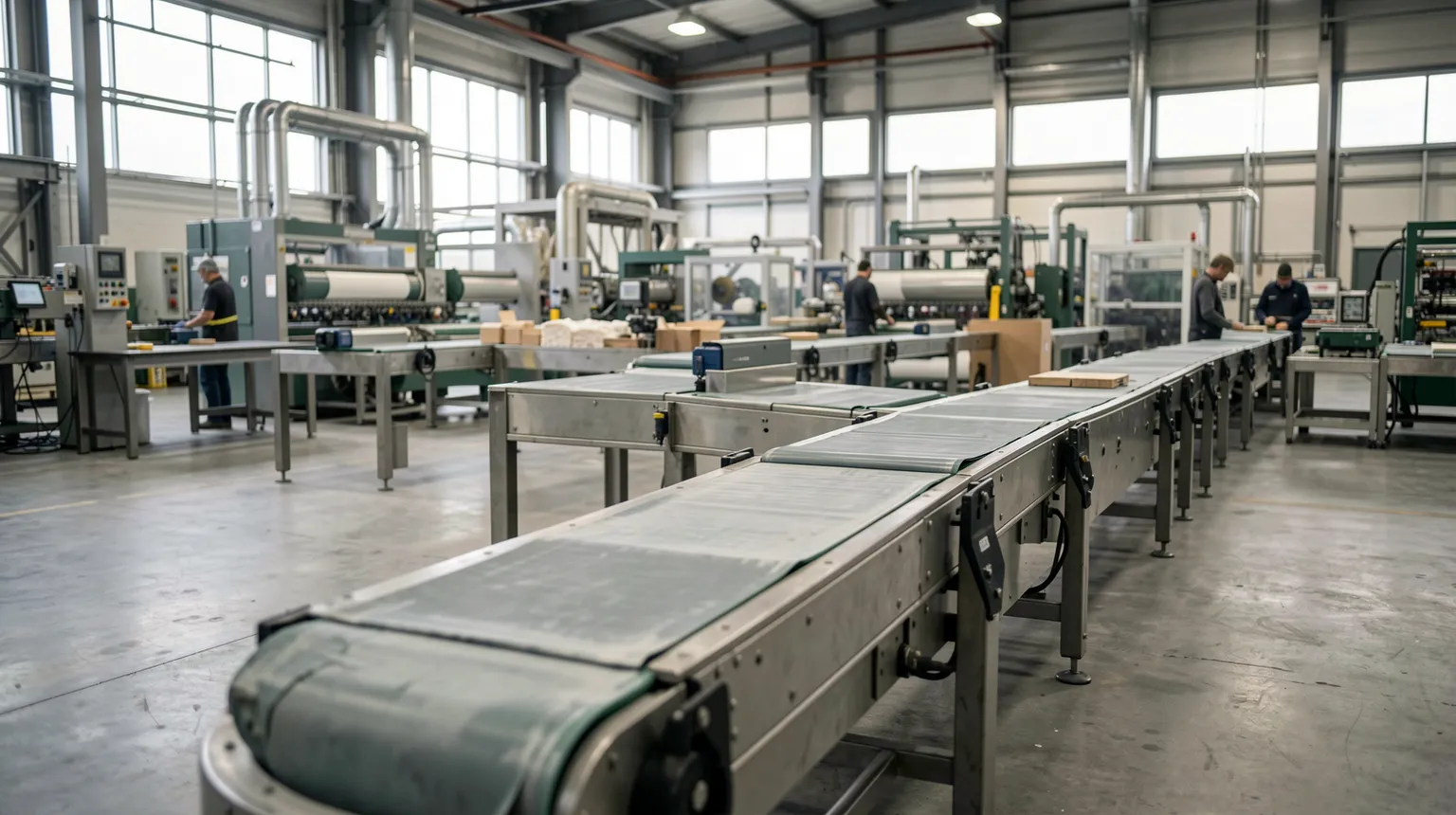
When we fall into the Obeya Trap—prioritizing the tool over the behavior—we don't just waste money on furniture. We incur a much more insidious cost: the erosion of momentum. It is easy to look like you are doing something productive when you are updating a board or attending a daily stand-up. But if that activity doesn't result in faster decisions and clearer ownership, it is just "motion mistaken for progress."
The true costs of this behavior are felt in three specific ways:
- Decision Paralysis: Because no one owns the "gap" between silos, every time a cross-functional problem arises, it gets kicked down the road. The result is that small issues turn into large escalations because they sat on an Obeya board for two weeks without a single person making a call.
- Meeting Fatigue: Teams spend hours in "governance meetings" where people simply read what is already written on the wall. This creates a culture of exhaustion where operators feel like their time is being wasted by management, leading to a withdrawal of engagement from the actual work.
- The Accountability Void: When everyone is responsible for the board, no one is responsible for the outcome. You end up with "analysis paralysis" where you can describe the problem perfectly in 30 slides, but nobody is willing to sign off on the trade-off required to fix it.
Three Governance Tests for Real Ownership
If you want to know if your governance system is actually working—or if you’re just decorating a failure—you have to test the behavior, not the layout. You need to move beyond "Does the board look good?" and start asking "Do we actually own this?"
Use these three tests to diagnose whether you have true collective leadership or just a well-decorated room:
1. The Ghost Test
Ask yourself: If I took down every single poster, chart, and piece of visual management from the Obeya room today, would the team still know exactly who is responsible for what? If the answer is no—if they rely on the physical cues to remind them of their roles—then you haven't built a culture; you’ve just created a crutch. Real ownership lives in the habits of the people, not the ink on the wall.
2. The Decision Velocity Test
Look at the last three major problems that appeared on your boards. How many days did it take from "problem identified" to "decision made"? If the time spent discussing the problem is significantly longer than the time spent executing the fix, your governance system is failing. A real Obeya room should accelerate decisions by removing friction between departments. If it’s slowing things down, you have a communication tool, not a governance system.
3. The "Gap" Ownership Test
Identify a problem that falls exactly between two departments (e.g., a quality issue caused by a maintenance delay). Ask both department heads: "Who is the single person accountable for closing this gap?" If they point at each other or say, "It’s on the board," you have an accountability void. True governance requires one name to be attached to the solution, regardless of which silo it sits in.
Practical Takeaways: Embedding Behavior, Not Boards
To move out of the trap and into actual operational excellence, you must shift your focus from the physical setup to the daily habits of your leaders. Stop obsessing over the "perfect" board and start auditing the behavior of the people standing in front of it.
- Audit the Decision, Not the Update: In your next three stand-up meetings, stop asking for status updates (which should be on the board anyway). Instead, ask: "What decision is currently stuck, and who is the person authorized to make it today?"
- Assign a 'Gap Owner': For every project or issue that involves more than one department, explicitly assign a single lead whose only job is to drive the coordination between those silos. They don't do all the work; they own the movement of the work across the lines.
- The 80/20 Rule for Visuals: Spend 20% of your time on the aesthetics and layout of your tools, and 80% on the "reaction plans." A reaction plan is a concrete set of steps that must be taken when a metric drifts. If you can't point to a specific action tied to every chart on that wall, the chart is just noise.
- Walk the Line, Not Just the Room: Governance shouldn't happen in a vacuum. Spend as much time observing how these decisions are being implemented at the machine level as you do reviewing them in the Obeya room. If the "governance" doesn't reach the operator’s hands, it isn't governance—it’s just an observation deck.
Download and Share This Issue
Next Issue Preview
Next up: The Taboo of 'Systemic Buy-In.' We will look at how leaders create processes that are technically possible but culturally impossible to sustain.
Call to Action
Where in your facility do you see people reverting to old habits because the *system* hasn't changed? Share that diagnosis with us at newsletter@sixsigmakaizen.com, or share this issue with another operations leader who needs a reality check.
Newsletter replies and questions: newsletter@sixsigmakaizen.com
Follow updates on X.com: @kaizen6sigma
References
IndustryWeek.com Podcast on Obeya Rooms; The Principles of Standard Work and Behavioral Drift